
Seven hundred parts.
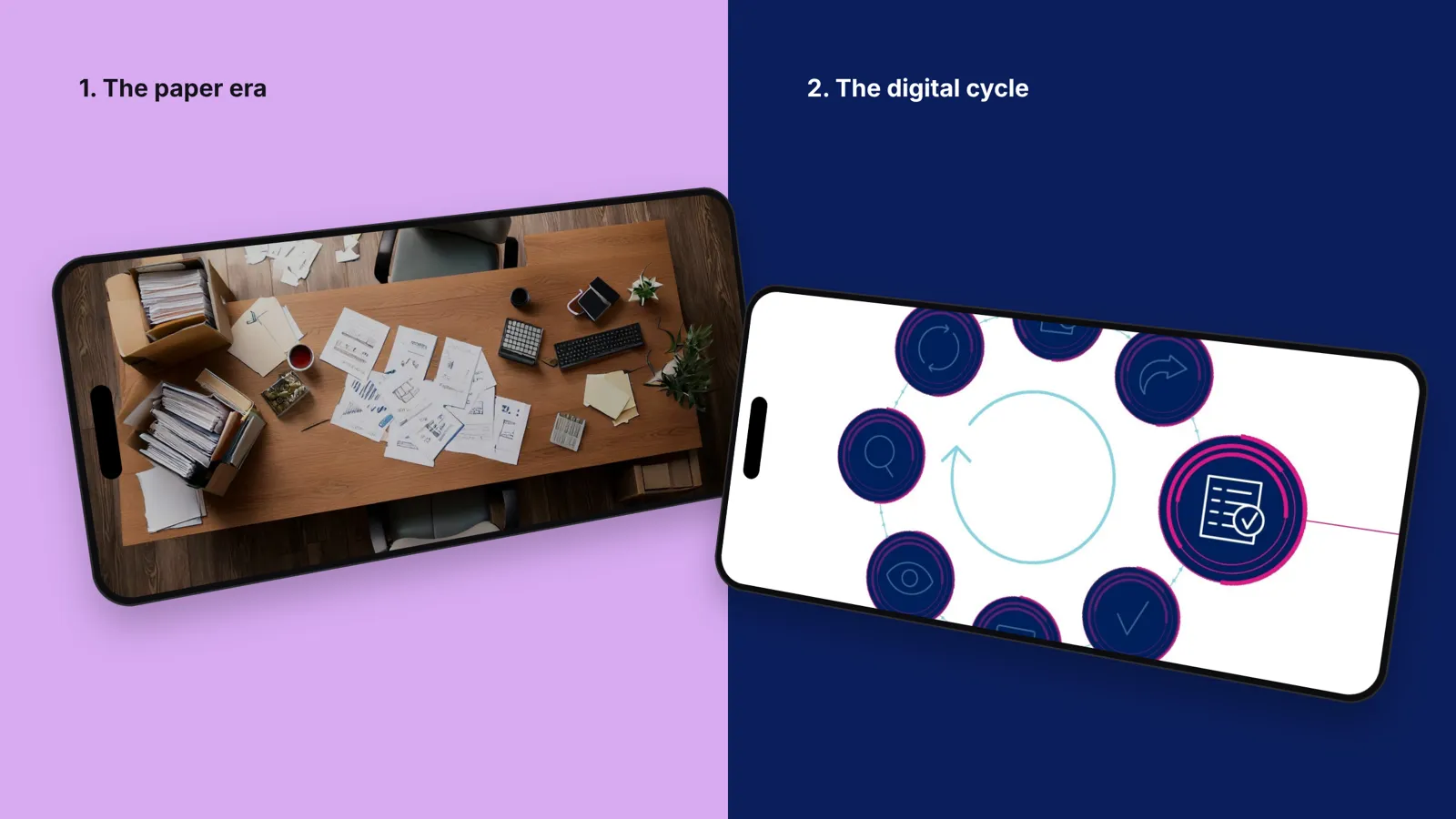
Paper records go digital, starting with the reasons, not the buttons.
Every workaround is a vote against the new system. A user adoption strategy starts with what’s behind them. We find out, then show people why the switch is worth making.
A free first call. You bring the subject, we bring how we’d approach it.
People use the system because it helps them, and they can say how. Someone heard their complaints and either fixed them or explained them. People drop the workarounds because they no longer need them.
A new system is live when it’s switched on. It’s adopted when people stop using the workaround. A user adoption strategy closes that gap.
Every spreadsheet on the side exists for a reason: a missing field, a slow step, a report people trust more. Find out, then fix it or explain it.
People learn the clicks faster when they know why the system changed. Our digital log card training started with the reasons, not the buttons.
Show people how to do the five things they do every week, in the order they do them. Leave the rest of the features for later.
Training happens once. Short guides and quick answers when people are actually using the system matter more.
Logins tell you little. Look at which tasks are done in the new system, where people drop out, and which workarounds survive.
Paper records go digital, starting with the reasons, not the buttons.
Tell us about it. In one conversation, we’ll tell you what we’d do and whether we’re the right people. No fee, no obligation.
Test us on one subject