Seven hundred parts, one record each.
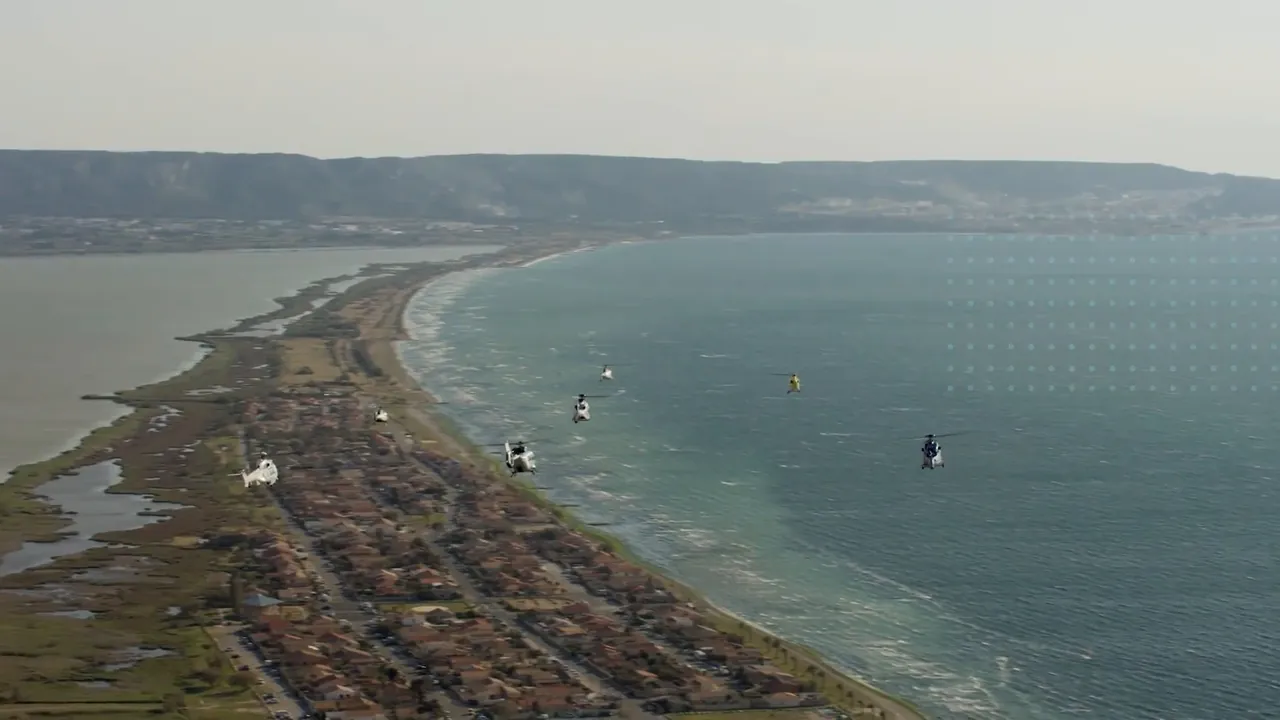
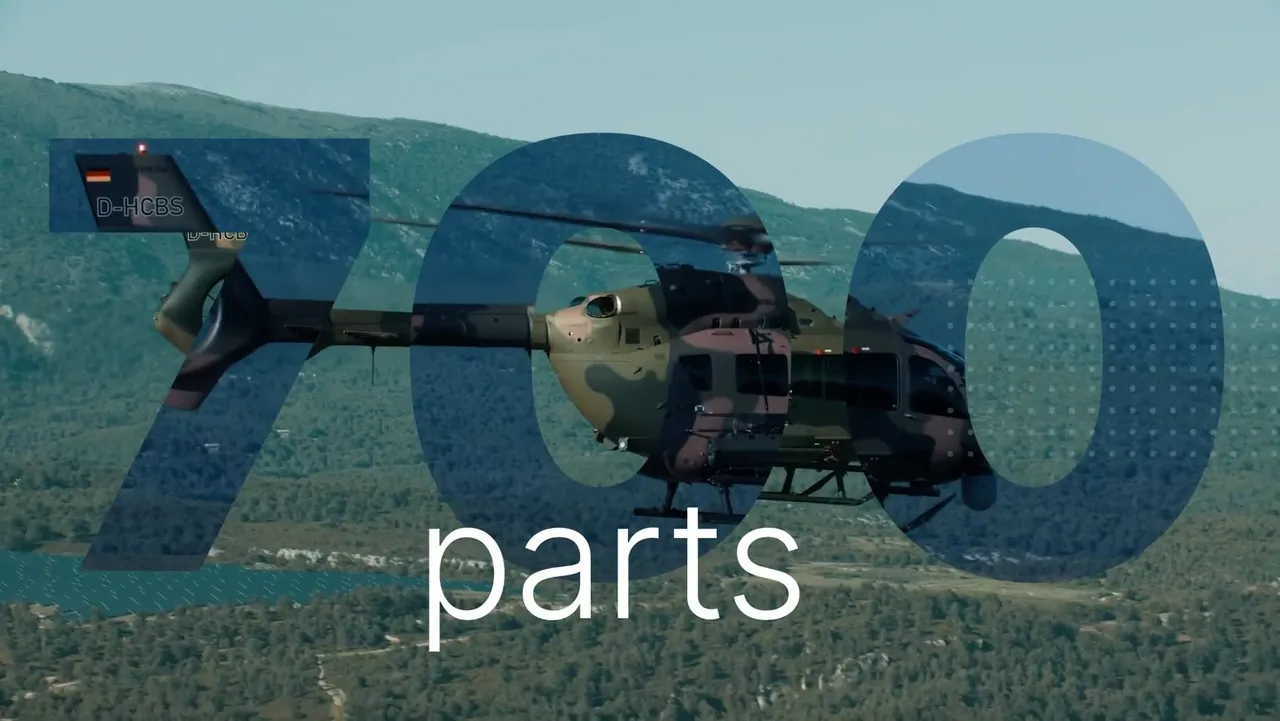
A single helicopter can have more than 700 parts that need to be tracked for their whole service life. For years, every one of those aircraft parts records was on paper, until the move to digital log cards.
The challenge700 aircraft parts, tracked on paper
The client’s log cards follow each critical part from manufacture to removal from service: every maintenance operation, every life limit, every unscheduled event. Moving them from paper to a digital system promised fewer lost records, faster searches and better traceability. But it meant operations, maintenance and engineering teams, inside and outside the company, changing a habit that affected safety. They needed to understand why, know their role in the new system, and use it correctly from the first day.
What we deliveredTraining for the move to digital log cards

- 1An Alignment Brief with the client’s digital and support teams: who uses log cards, what each role does, and the mistakes that would matter most.
- 2A Story Blueprint built on one idea: feel the problem before you see the solution.
- 3A 20-minute digital adoption training course with a guide, Pilot Paige, that moves from why log cards matter, to the new system, to each person’s role in it.
- 4A walkthrough of the web application, role-matching activities, a final quiz and key takeaways, with the user guide to keep.
The idea, and why it workedFeel the problem before you see the solution
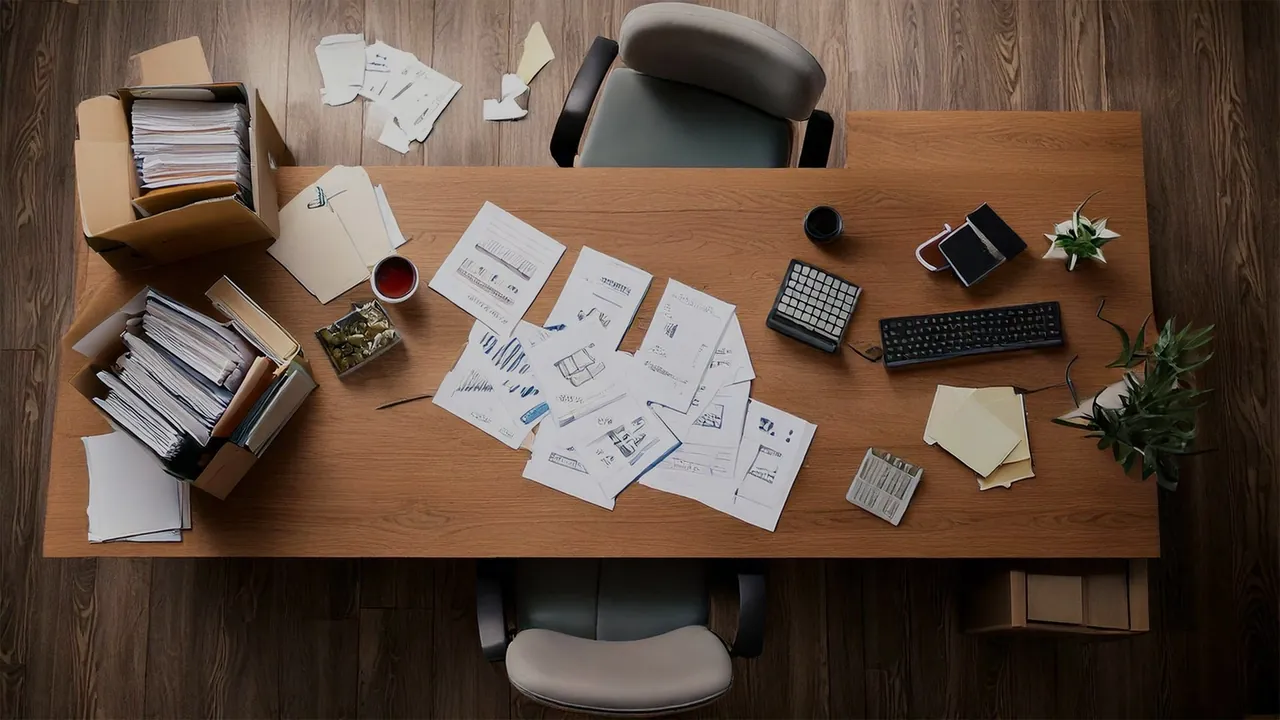
The course doesn’t start with the software. Pilot Paige first explains what a log card is, with a simple comparison: a medical record for a part. Then she drops people into a typical day in maintenance, when they need the history of a rotor blade. They search a paper archive for it, and by the time they find it, they’ve felt every problem the new system solves: lost records, slow retrieval, errors nobody can trace. Only then does the course show the system, organised around the roles people will have in it. And it makes sure nobody leaves without the rule that matters most: there is only ever one original.
It worked because people met the reasons before the buttons, so the new system arrived as an answer to a problem they’d just experienced.