
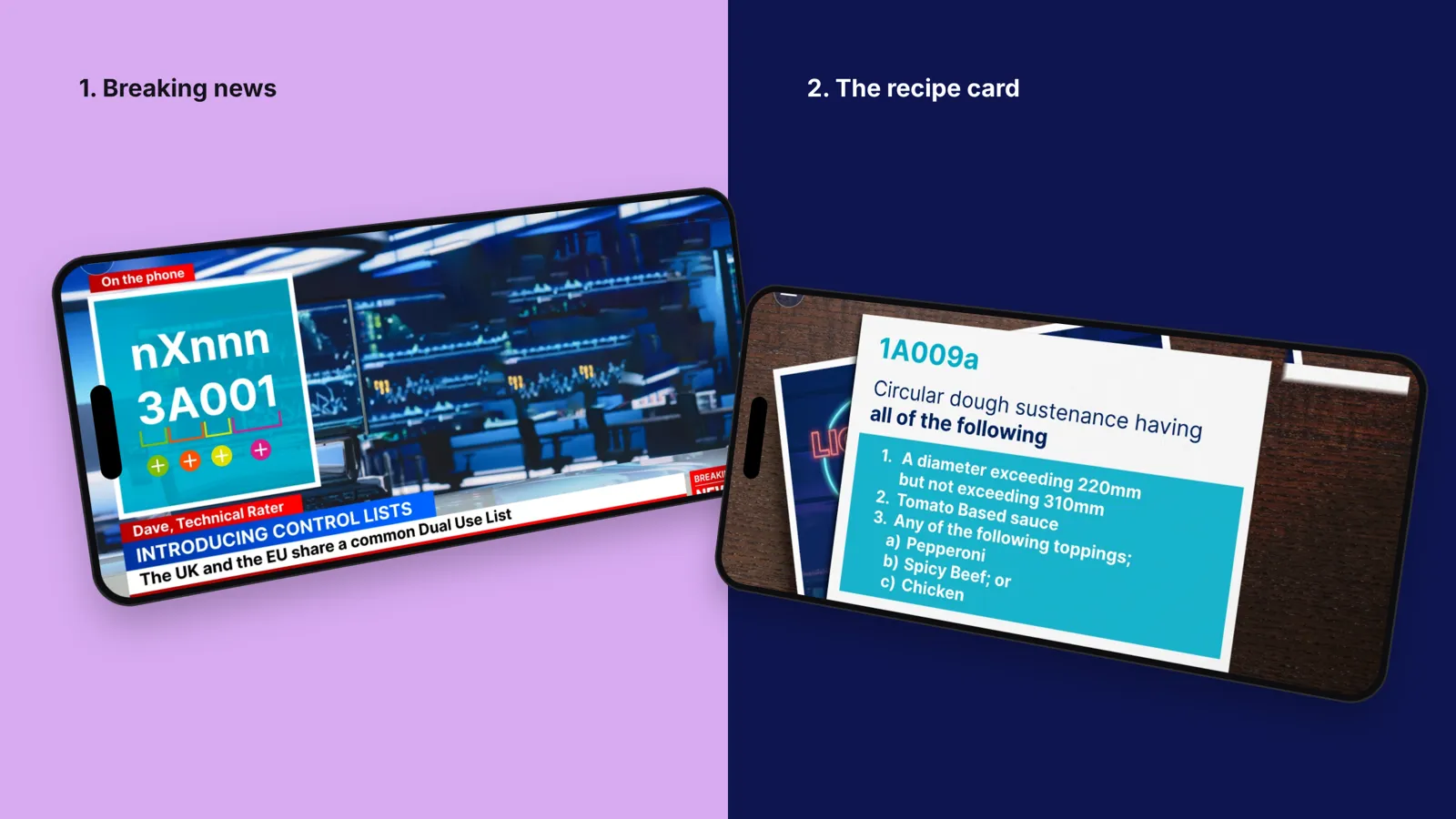
Tech Tricks.
Three TV shows that teach technical raters the definitions that trip them up.
Good specialists become team leads and managers, then learn the hardest parts of the new role by trial and error. Our first-time manager training prepares them for what changes on day one.
A free first call. You bring the subject, we bring how we’d approach it.
People step into a new role knowing what changes, which decisions are now theirs, and how to handle the situations that catch most newcomers out. They learn the role on purpose, with less trial and error.
Most new managers were promoted for being good at the job they no longer do. The hard part isn’t the theory of leadership. It’s the handful of situations that catch almost every newcomer out in the first months.
A new manager’s work shifts from doing the job to getting it done through others. Make that explicit: what they should stop doing, what they now own, and which decisions are now theirs.
Many new managers now lead people who were their colleagues last week. Give them a way to have that first conversation, and to set expectations without pretending nothing has changed.
Feedback, underperformance, saying no to a request: these are the moments new managers put off longest. Rehearse them with realistic scenarios, so the first real one isn’t the first attempt.
New managers often wait for a certainty that never comes. Show them how to decide with what they have, when to escalate, and how to explain a decision to the team.
Every role comes with rules nobody mentions until they’re broken: approvals, budgets, HR processes, compliance. Put them in one place, in plain words, where people will look when they need them.
A two-day course before the promotion is forgotten by the first difficult week. Spread the learning across the first months, in short pieces at the moments they’re needed. The same goes for other new roles: our crisis team training taught each role in fifteen minutes, ready for the day.
Three TV shows that teach technical raters the definitions that trip them up.
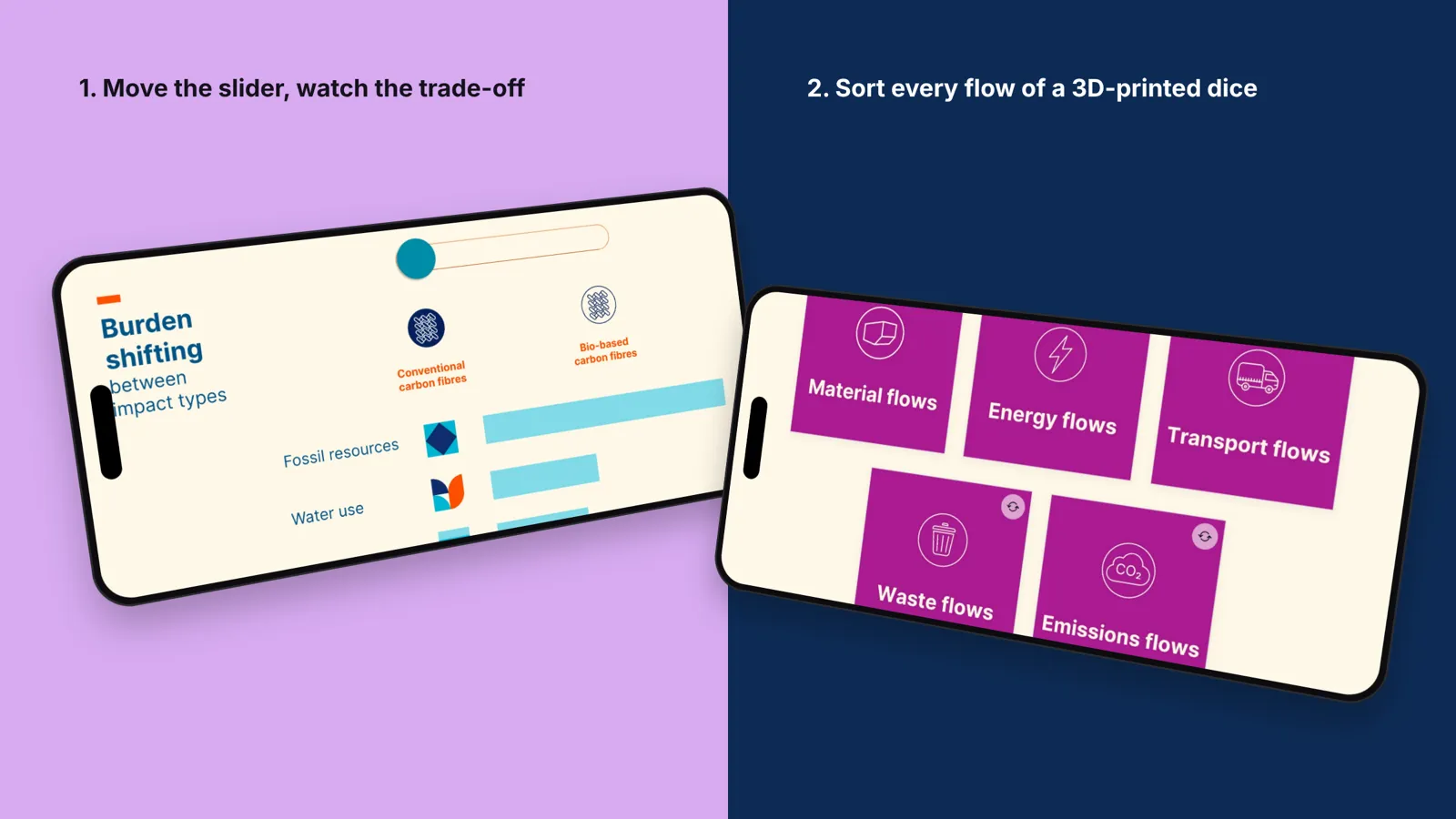
Four modules of ecodesign, from climate context to life cycle assessment, with AI kept to a minimum.
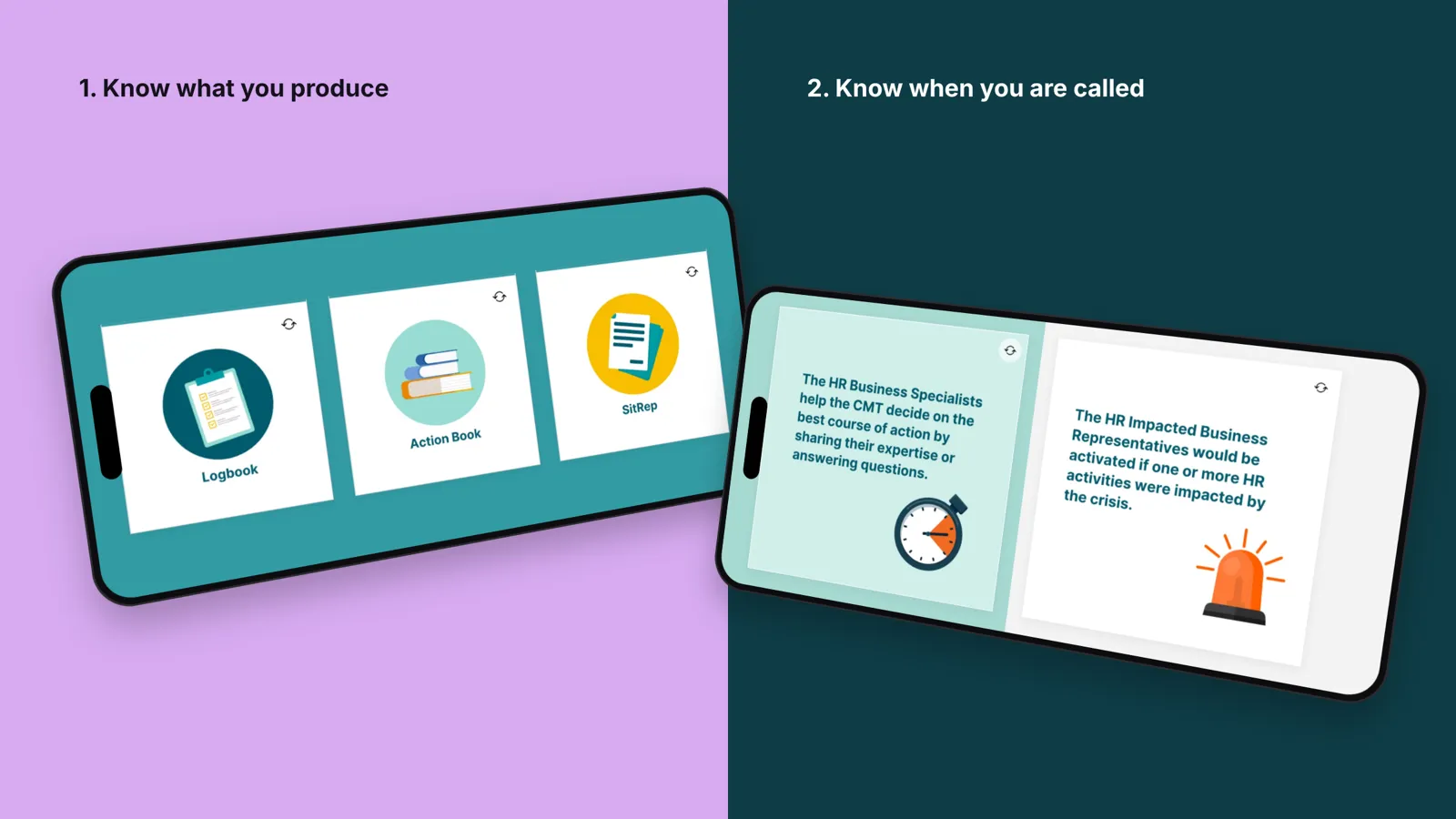
Three crisis team roles, each learnt in fifteen minutes and ready on the day.
Tell us about it. In one conversation, we’ll tell you what we’d do and whether we’re the right people. No fee, no obligation.
Test us on one subject