From the standard to the shop floor.
An air force client needed its people to work to international aerospace quality standards. The standards were thorough, precise and written for quality professionals. Most of the people who had to apply them weren’t, so the aerospace quality training had to be written for them.
The challengeAerospace quality standards written for specialists
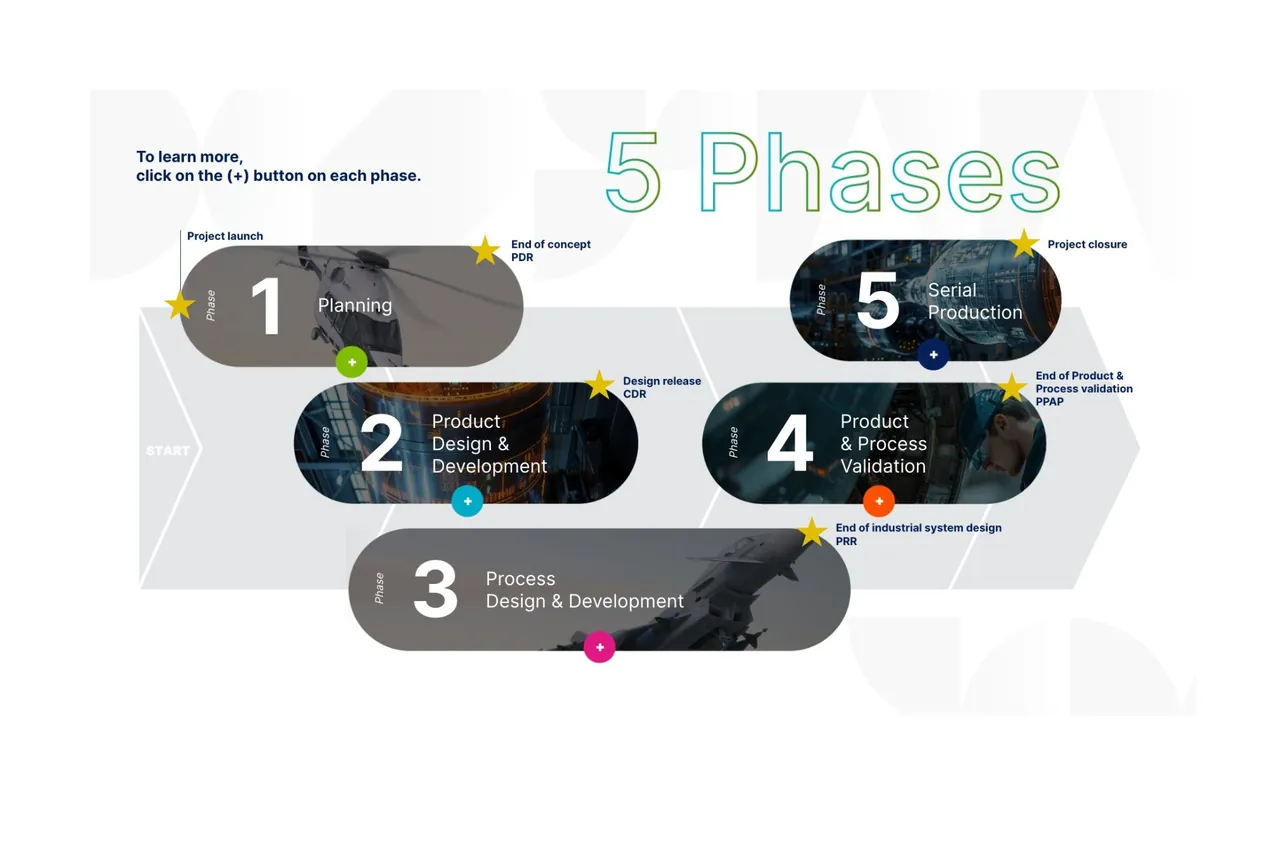
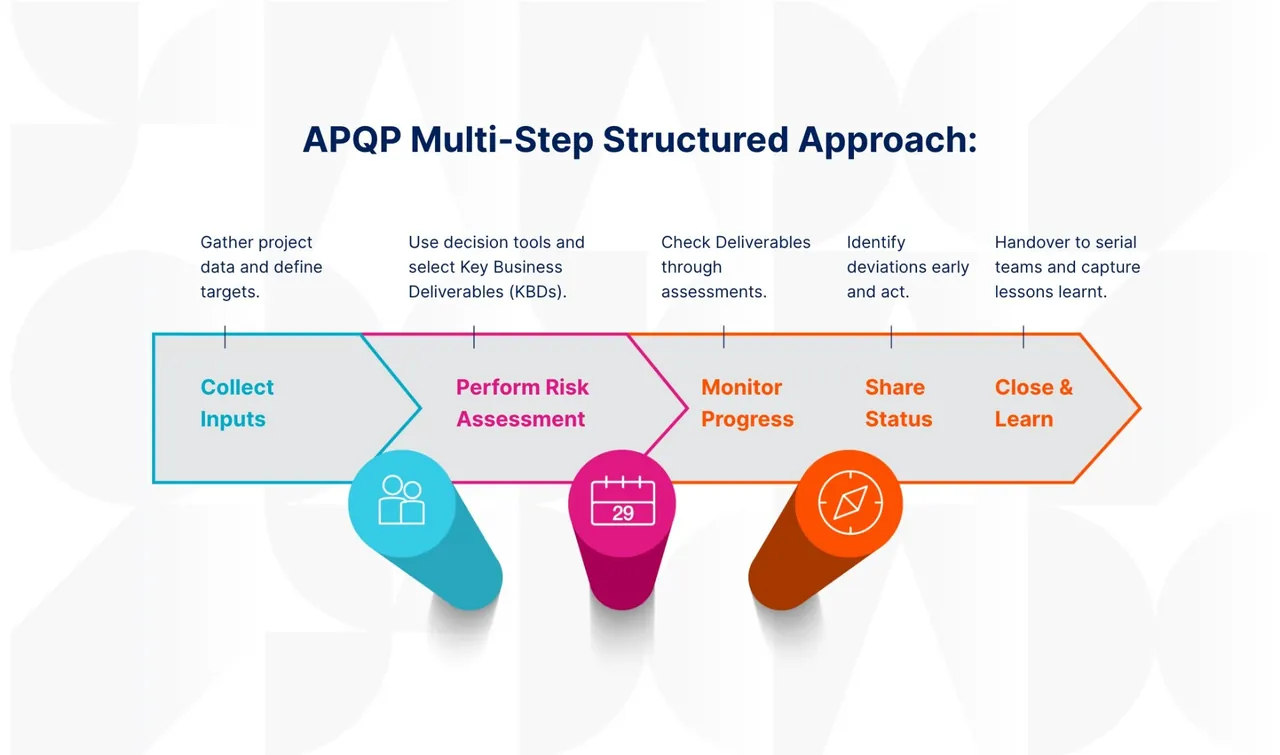
Quality in aviation is built in layers: a general international standard, an aerospace standard on top of it, and planning methods on top of that. Each layer brings its own acronyms, phases and requirements, and each one matters for safety. The client’s teams needed three things at once: to understand the quality system they work inside, to plan new products the way the industry expects, and to produce right first time. Taught as a reading list, that becomes vocabulary for a quiz, and people go on working the way they always have. The risk wasn’t that people didn’t know the standards existed. It was that they couldn’t see where the standards touched their own work.
What we deliveredThree quality training courses: the system, the planning, the production
- 1An Alignment Brief with the client’s quality experts: what each audience had to understand, and where quality was being lost in practice.
- 2A Story Blueprint for three courses that build on each other: the system, the planning, the production.
- 3Three custom aerospace quality training courses: Quality Management System (QMS), Advanced Product Quality Planning (APQP) and Quality Fundamentals for Production (QFP), each mixing short videos, interactions and reading material.
- 4A downloadable glossary, key takeaways and an end-of-course challenge in each, so the reference material stays with people after the course.
The idea, and why it workedA log cabin and an iceberg
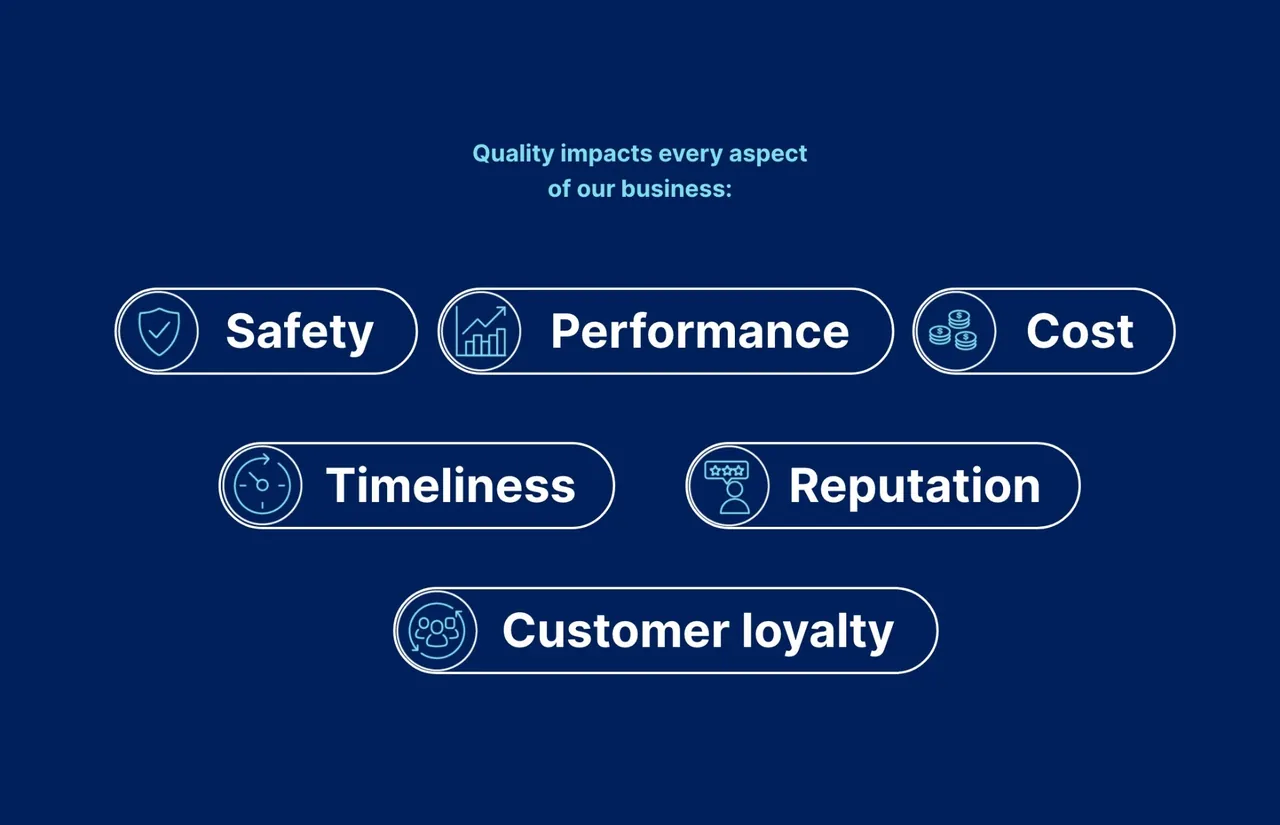
Every abstract requirement got something concrete to hold on to. Planning a new aerospace product became building your own log cabin, on a modest budget and a tight deadline, where you can’t decide on the foundations once the roof is on. The cost of poor quality became an iceberg: the rework and repairs everyone can see above the waterline, and beneath it the errors nobody measures, the lost trust and the damaged reputation. And quality stopped being the quality department’s job. Each course ends with the individual: what one person on the line can do, starting with speaking up and declaring an error.
It worked because people didn’t have to memorise the standards to understand them. They recognised them first in pictures they already knew, then in their own work.