Aviation quality.
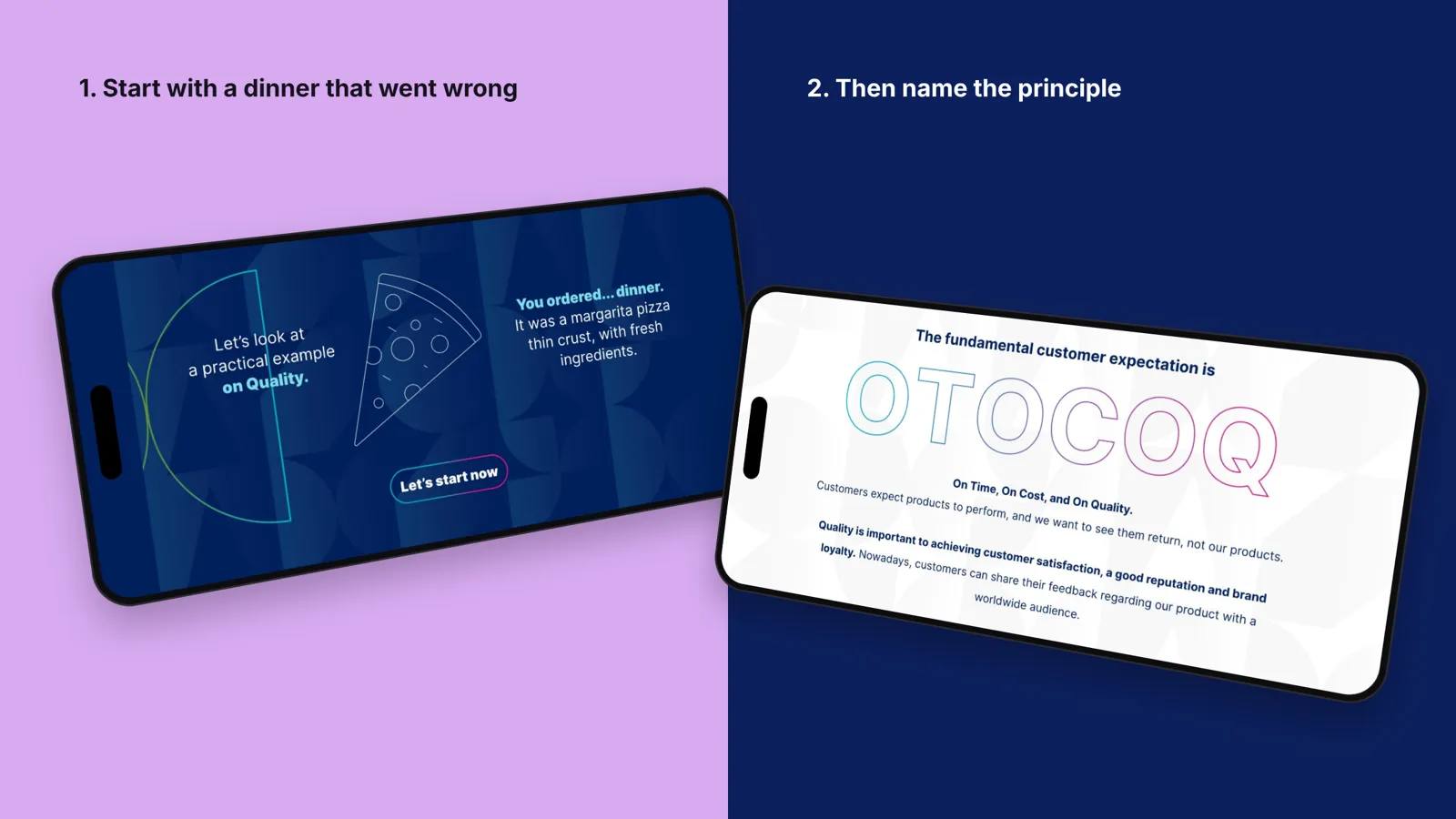
Three aerospace quality standards, explained with a log cabin and an iceberg.
A new process only exists when people do it. We find out why people stick to the old way, then turn your procedures and SOPs into training people can follow on a busy day.
A free first call. You bring the subject, we bring how we’d approach it.
People understand why the process changed and what it does for them, not only for the company. They follow it because it makes sense to them, not because someone is watching. They can find the step they need when they need it. The experts go back to being experts. New starters learn it in days, not by asking around for months.
A new process usually fails for one of two reasons: people don’t know how to do it, or they don’t believe it’s better than the old way. Good process change management deals with both.
Before you train anyone, ask the people doing the work what the new process costs them: time, control, a workaround that made their day easier. Those answers are the real brief.
People follow a step they understand and skip one they don’t. For every step that feels like extra work, say what goes wrong without it. Our electrical installation course taught each rule from a real incident file.
A procedure organised by chapter and code is easy to look things up in and hard to learn from. Show the whole flow first, with the same structure at every step, so people can find their part. We taught a procurement procedure as a flight, with the same skeleton at every stage.
Training happens once; the job happens every day. Give people a decision tree, a checklist or a one-page guide they can keep where they work, for the steps that are hardest to remember.
If people say the new way takes longer, they may be right at first. Say so, and say when it gets faster. Our know your customer course was explained by the customers who question the process.
Check where people get stuck, and fix the process or the guidance quickly. Early fixes show people that their feedback counts.
Three aerospace quality standards, explained with a log cabin and an iceberg.
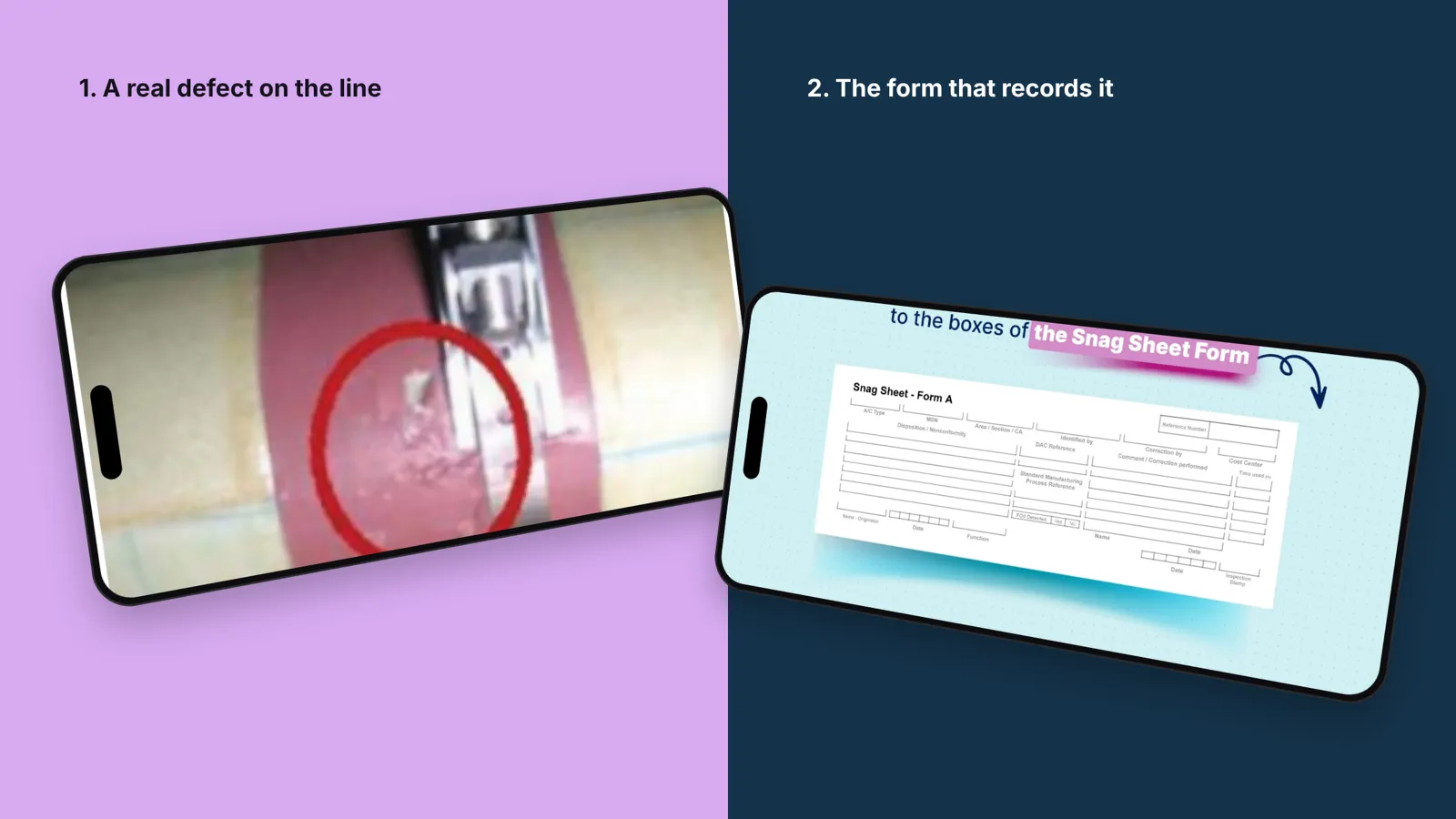
A precise, dull defect process, narrated and drawn by hand.
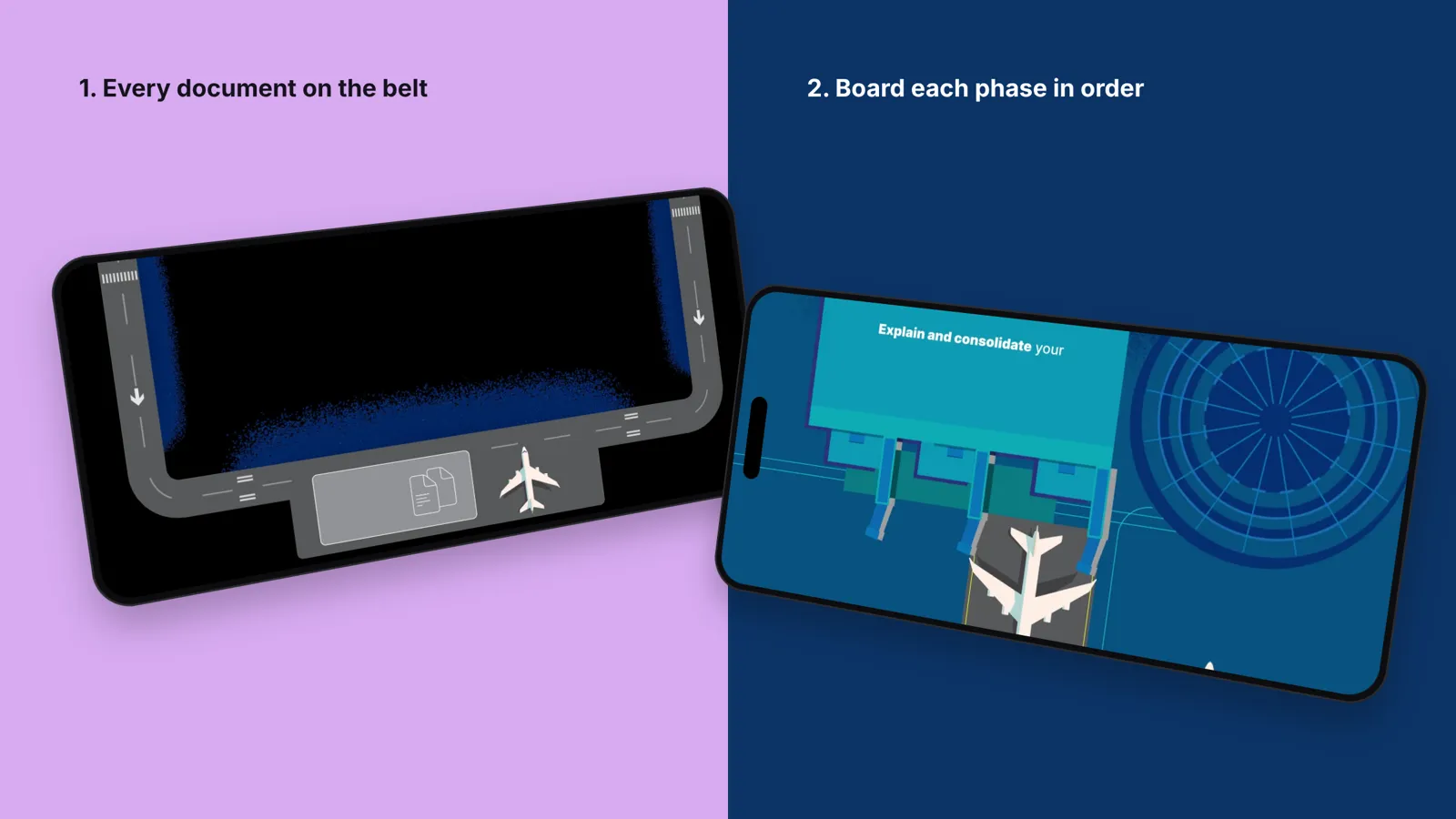
A procurement procedure taught as a flight, with the same skeleton at every step.
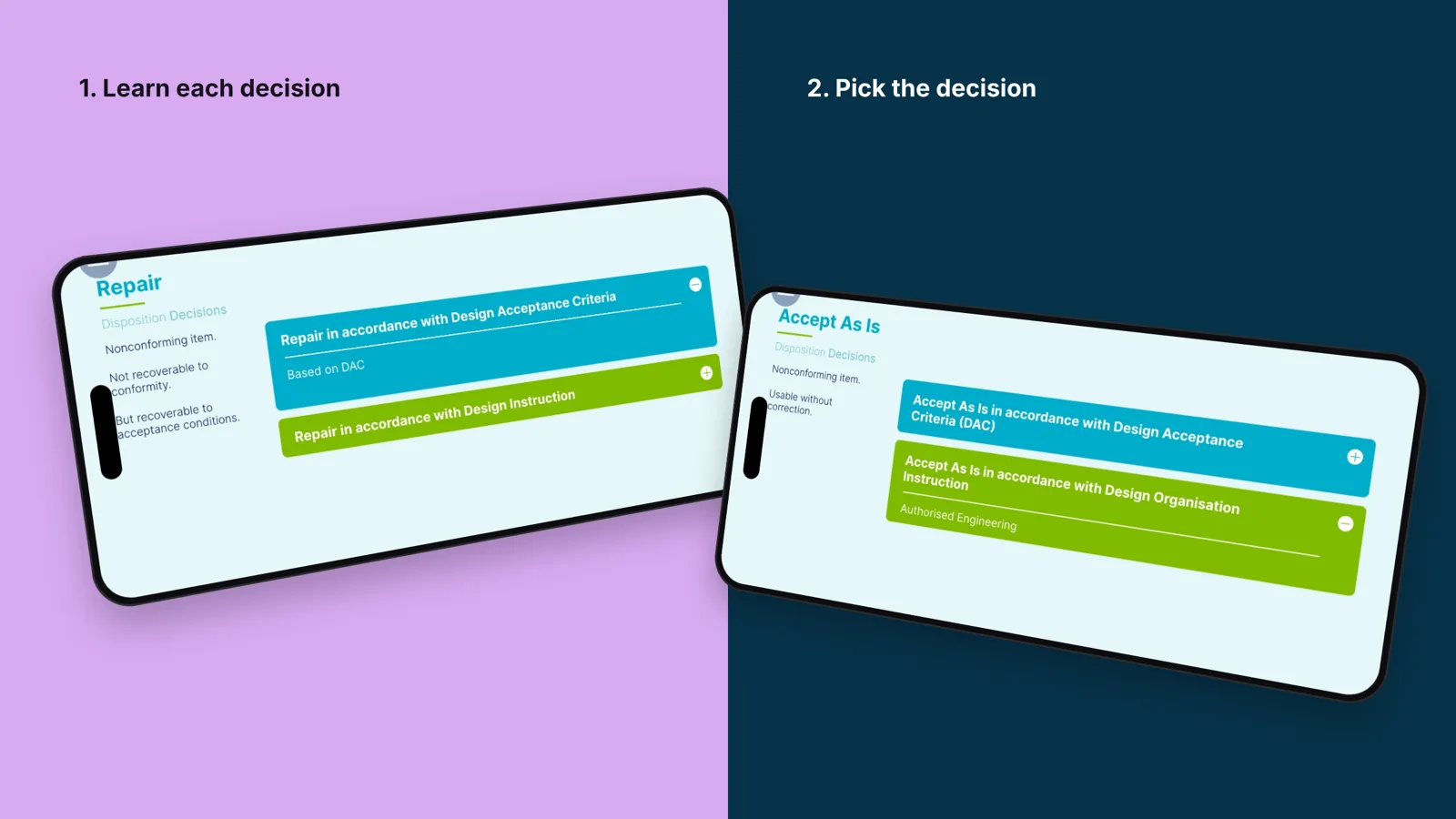
A nonconformity method for the client and its suppliers, taught through the five decisions it ends in.
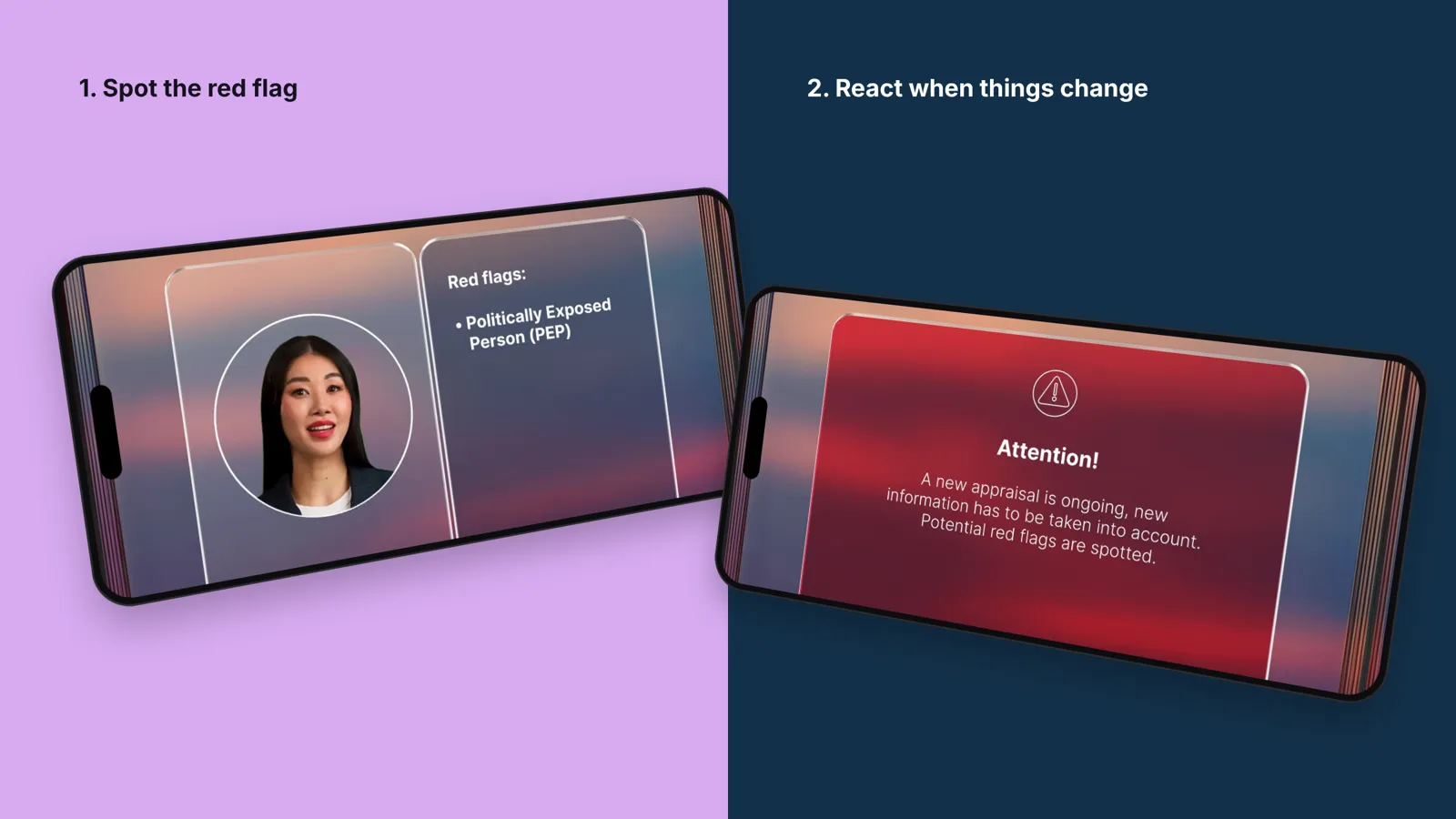
A screening process explained by the customers who question it.
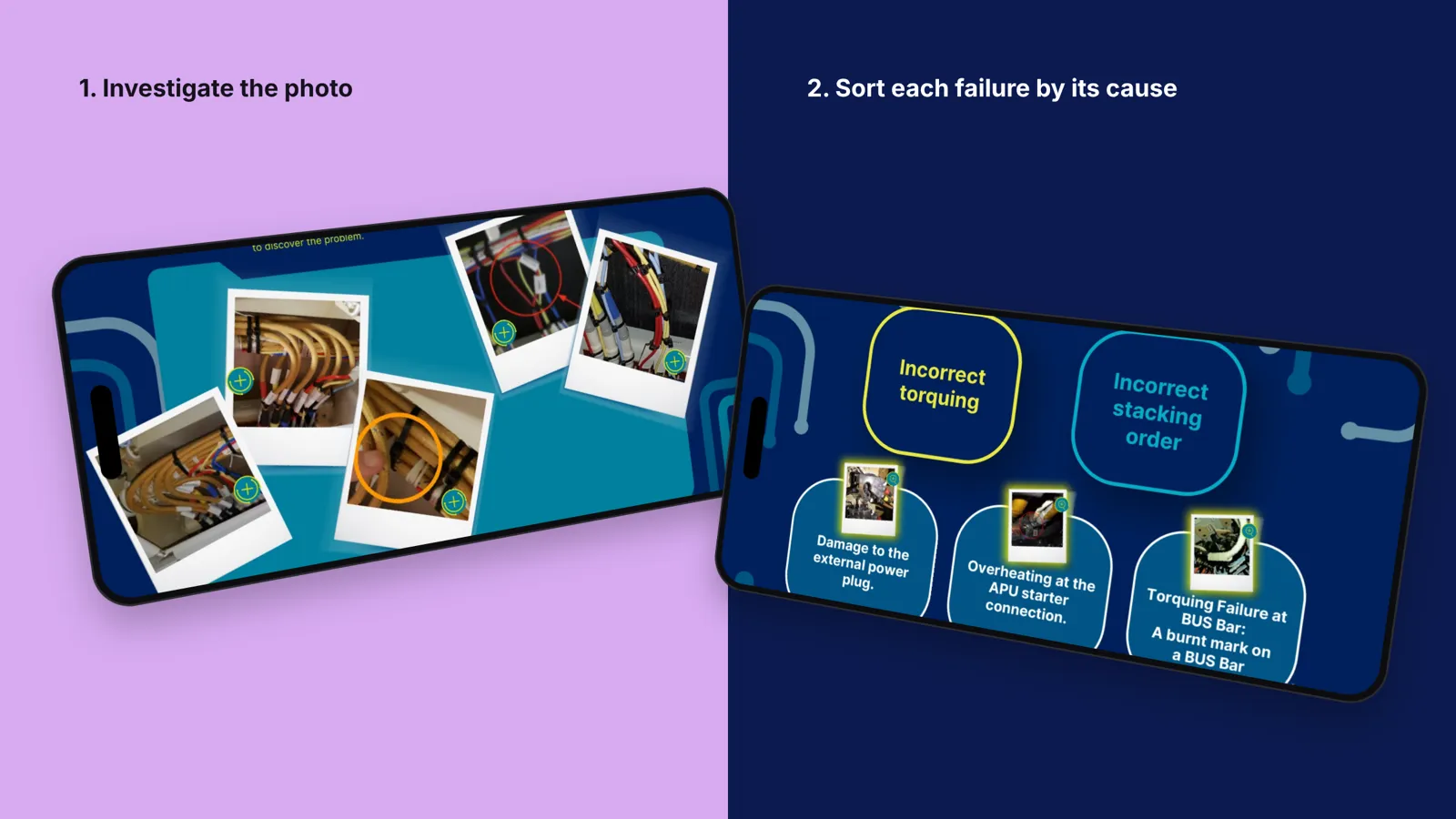
Five electrical installation rules, each taught from a real incident file.
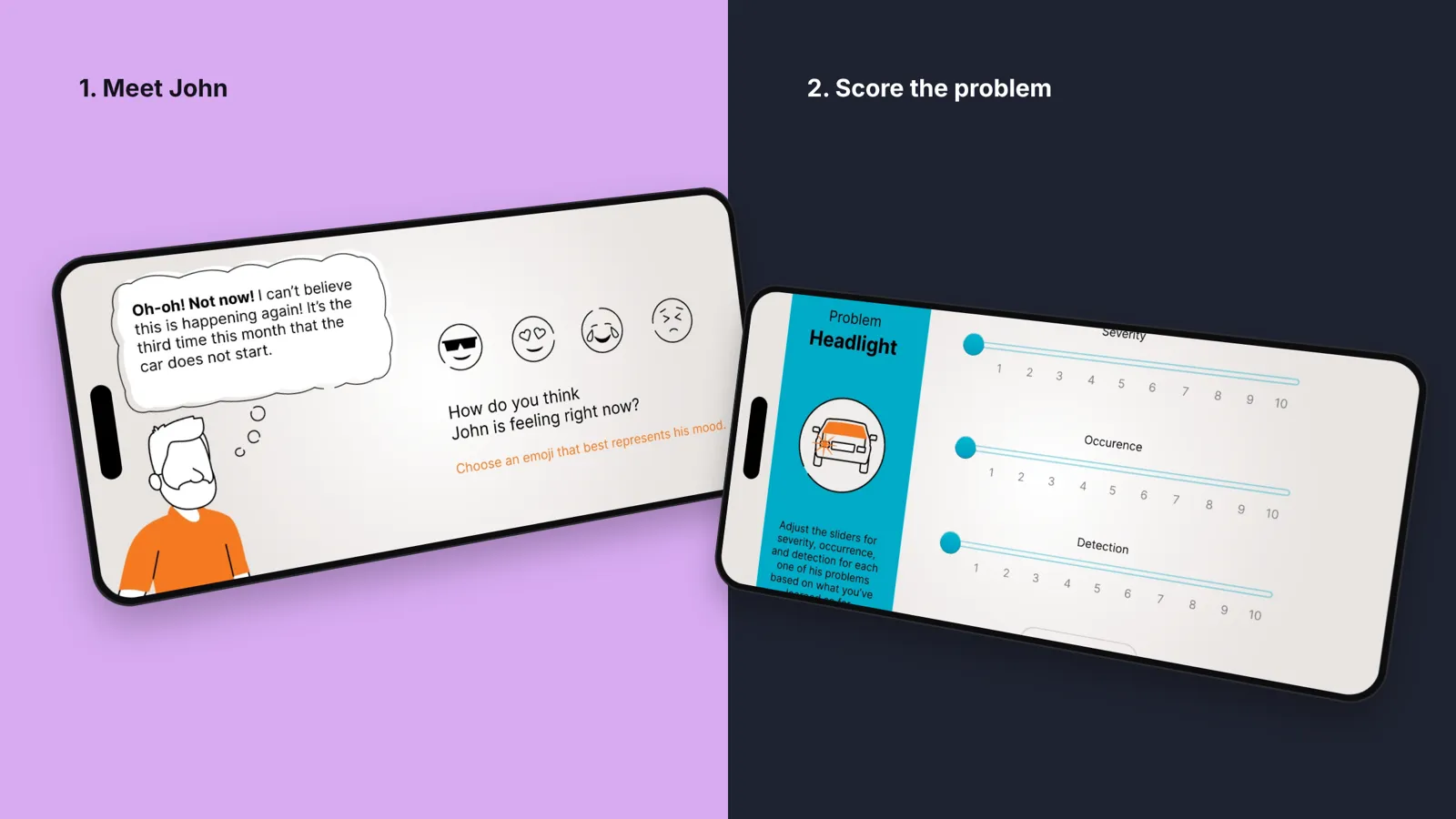
A company-wide problem-solving standard, learnt on a car that won’t start.
Tell us about it. In one conversation, we’ll tell you what we’d do with it and whether we’re the right people. No fee, no obligation.
Test us on one subject