From the headlines to the plan.
Employees hear about climate change every day. What they rarely hear is what their own company is doing about it. This climate change training explained it clearly enough to believe.
The challengeA climate strategy employees found hard to believe
The client had a detailed climate strategy: a life-cycle view of its impact, validated targets, a set of decarbonisation levers and plans to adapt to a changing climate. Inside the company, it was understood by the people who wrote it. For everyone else, climate communication tended to sound either alarming or promotional, and neither helped people see what the company was actually doing or what it meant for their work.

What we deliveredClimate change training for every employee, in four languages

- 1An Alignment Brief with the client’s sustainability team: what every employee needed to understand, and where the strategy was hardest to explain.
- 2A Story Blueprint built on one idea: a guide from inside the company takes people on its climate journey, honestly.
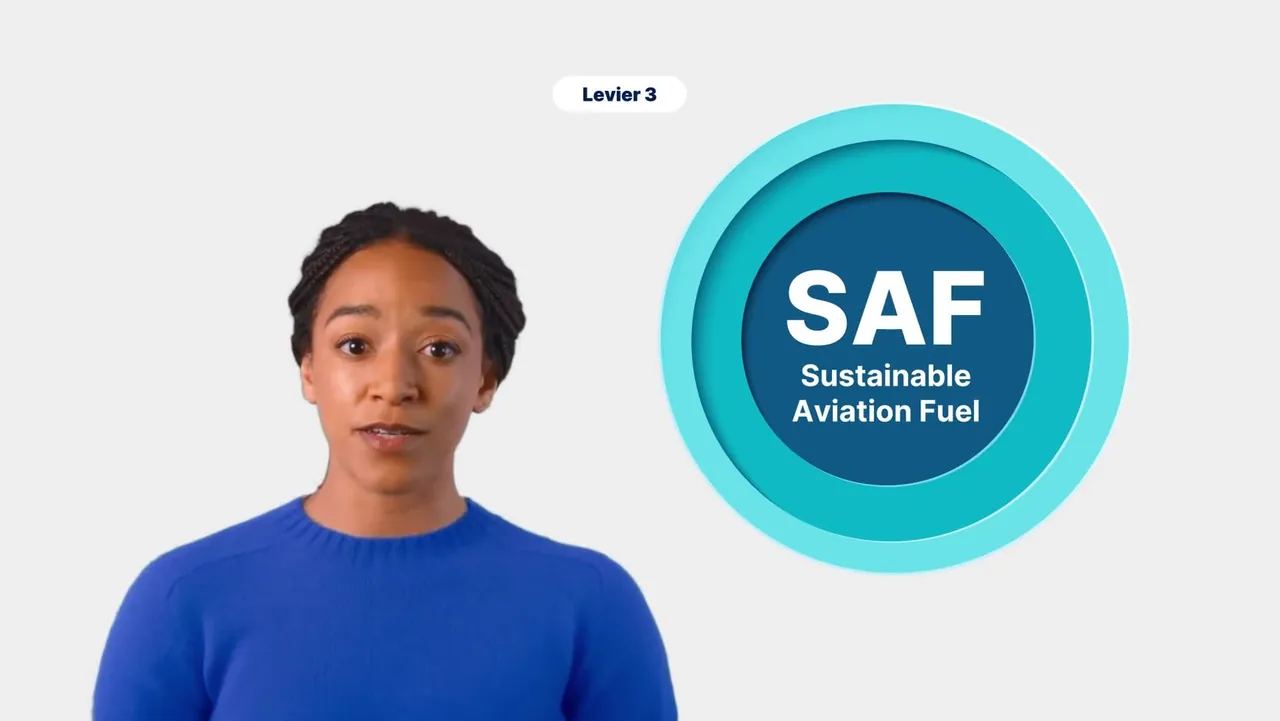
- 3A 30-minute interactive climate training course in four languages, with a guide called Skylar, covering where the impact comes from, the targets, the levers and adaptation.
- 4Activities that make the technical parts tangible, from sorting emissions into scopes to a set of tasks on the levers, plus a quiz and key takeaways.
The idea, and why it workedHonest about the hard parts
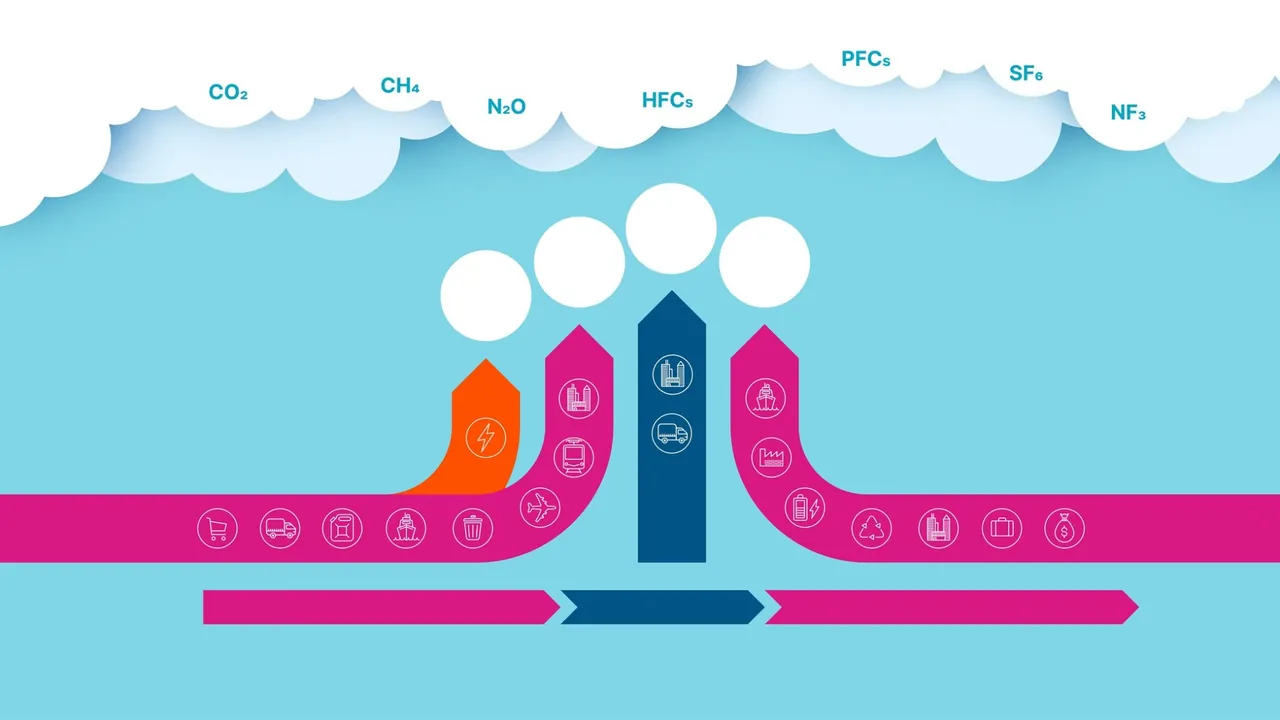
Skylar starts with an honest question: where does our impact actually come from? The answer, across the whole life of the products, is mostly in operation, while they’re being used. From there, the course follows the plan step by step: the global context, the scopes, the targets and who validated them, the levers including the difficult ones, how remaining emissions are handled, and how the company is preparing for the climate changes already under way. Along the way, it admits the obvious: “Can people change their ways? How about a company? We all know from experience that it will be a challenge, but it can be done.”
It worked because it explained a plan rather than an ambition, and because it named what’s hard. People believe a plan more when it admits its difficulties.