
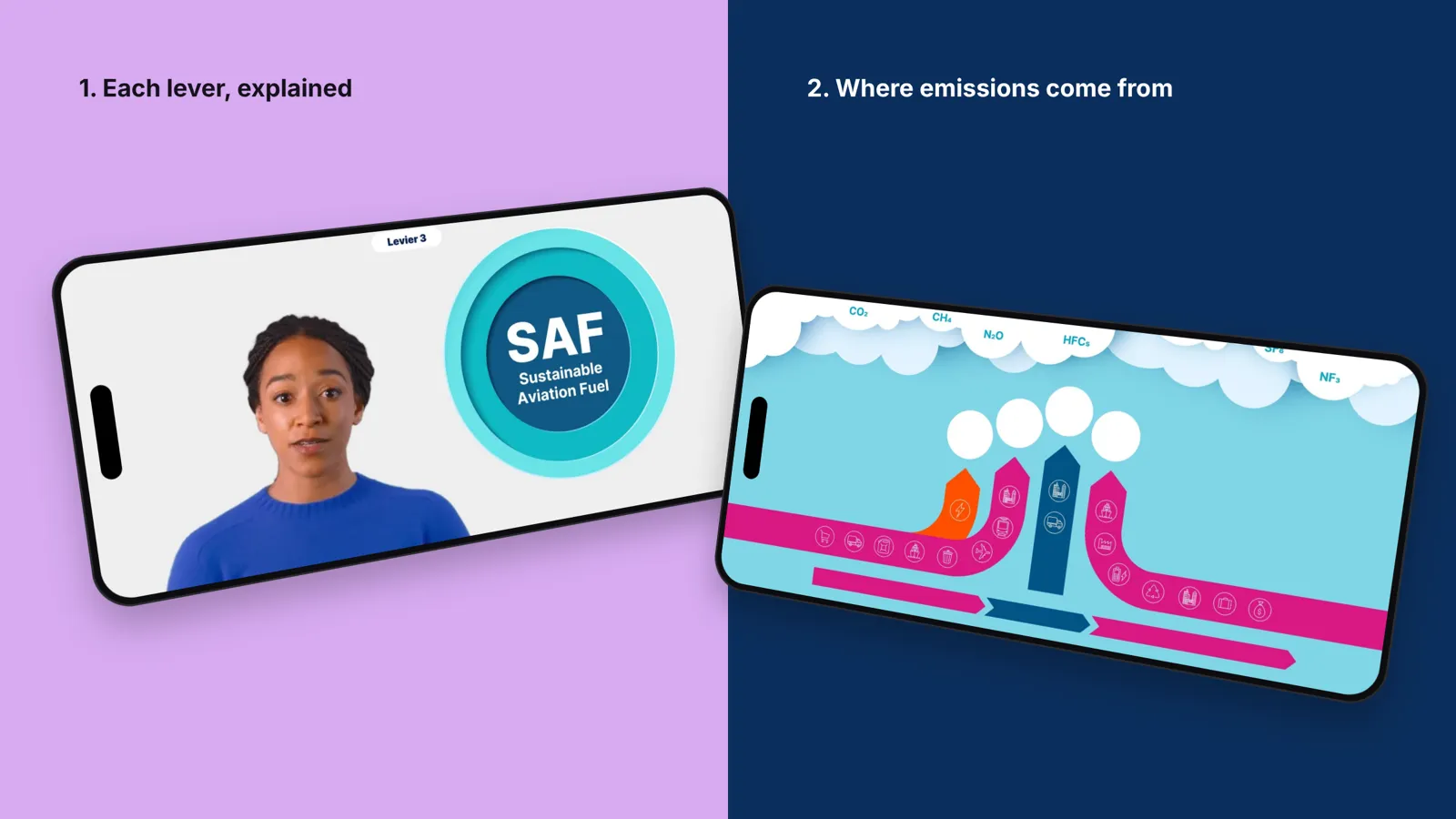
From the headlines to the plan.
A climate strategy explained honestly, including the hard parts.
Most strategies are clear to the ten people who wrote them. We help you communicate strategy and values to employees, so people can explain them, believe them and make decisions with them.
A free first call. You bring the subject, we bring how we’d approach it.
Anyone in the company can explain the strategy in two sentences, in their own words. They can see what it changes about their own work. Managers tell the same story, and the values show up in decisions, not posters.
A strategy is communicated when people who weren’t in the room can explain it in their own words, and use it to make a decision. Most strategy communication stops at the announcement.
If leadership can’t say the strategy in two sentences, nobody else will. Write the short version first, test it on people outside the strategy team, and keep rewriting until they can play it back.
A strategy is a set of choices. People believe it when they can see what was rejected and why. Leave out the trade-offs and it sounds like every other strategy.
The strategy means something different for sales, for the factory and for finance. Give each team the “so what for us”: what changes in their work, what stays the same, and which decisions it should guide.
Most people hear about strategy from their manager, not the CEO. Give managers one shared story, the hard questions they’ll be asked and honest answers, so the strategy doesn’t come out five different ways.
Values on posters change nothing. Show what each value means in a real dilemma people face, what it rules in and what it rules out. Our code of conduct case does this as a house you can walk through, one value per room.
One launch event is not a plan. Come back to the strategy in team meetings, in decisions and in recognition. Then check: ask a sample of people to explain it, and fix the gaps you hear.
A climate strategy explained honestly, including the hard parts.
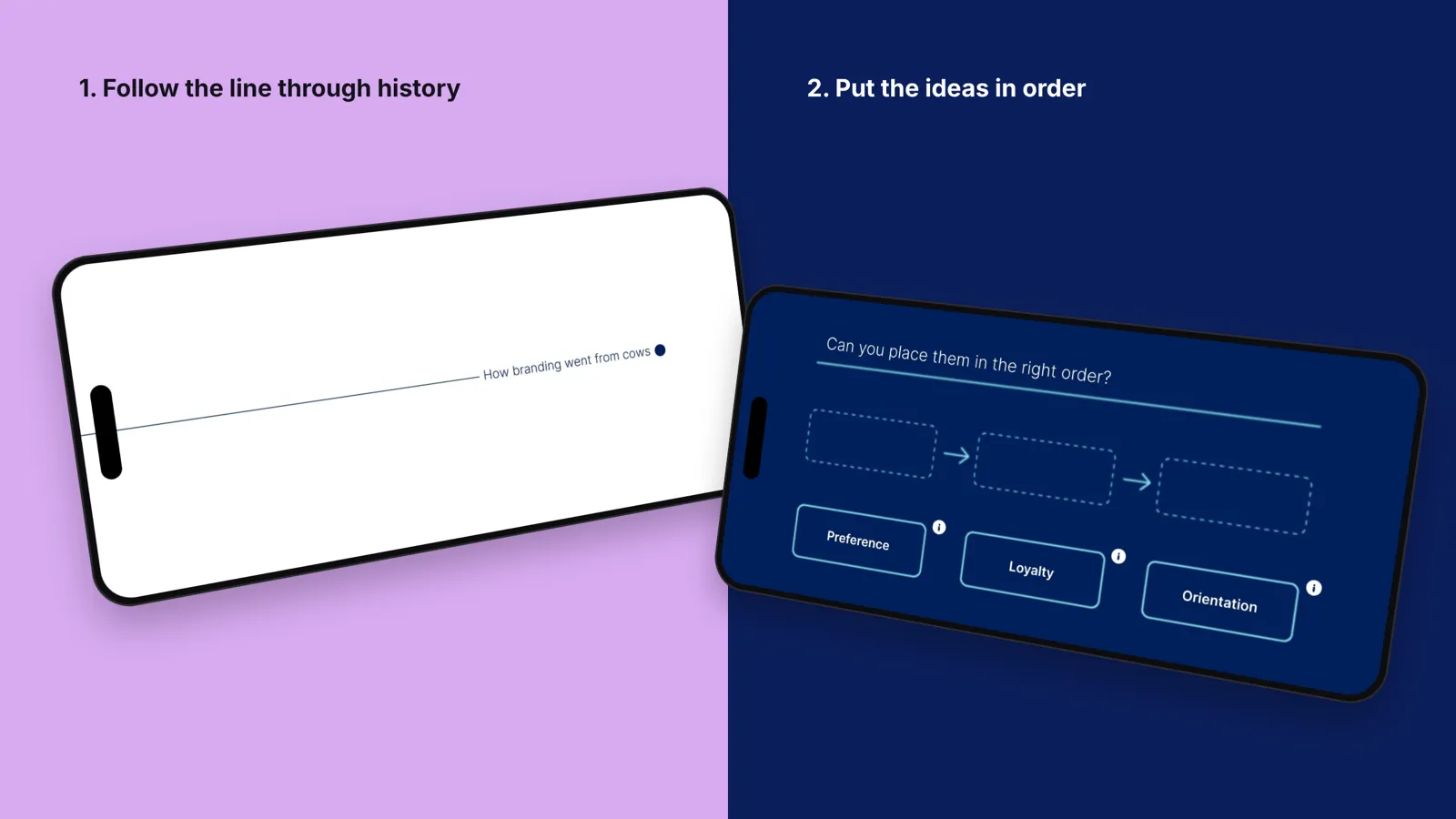
Brand guidelines, explained through the brands people already love.
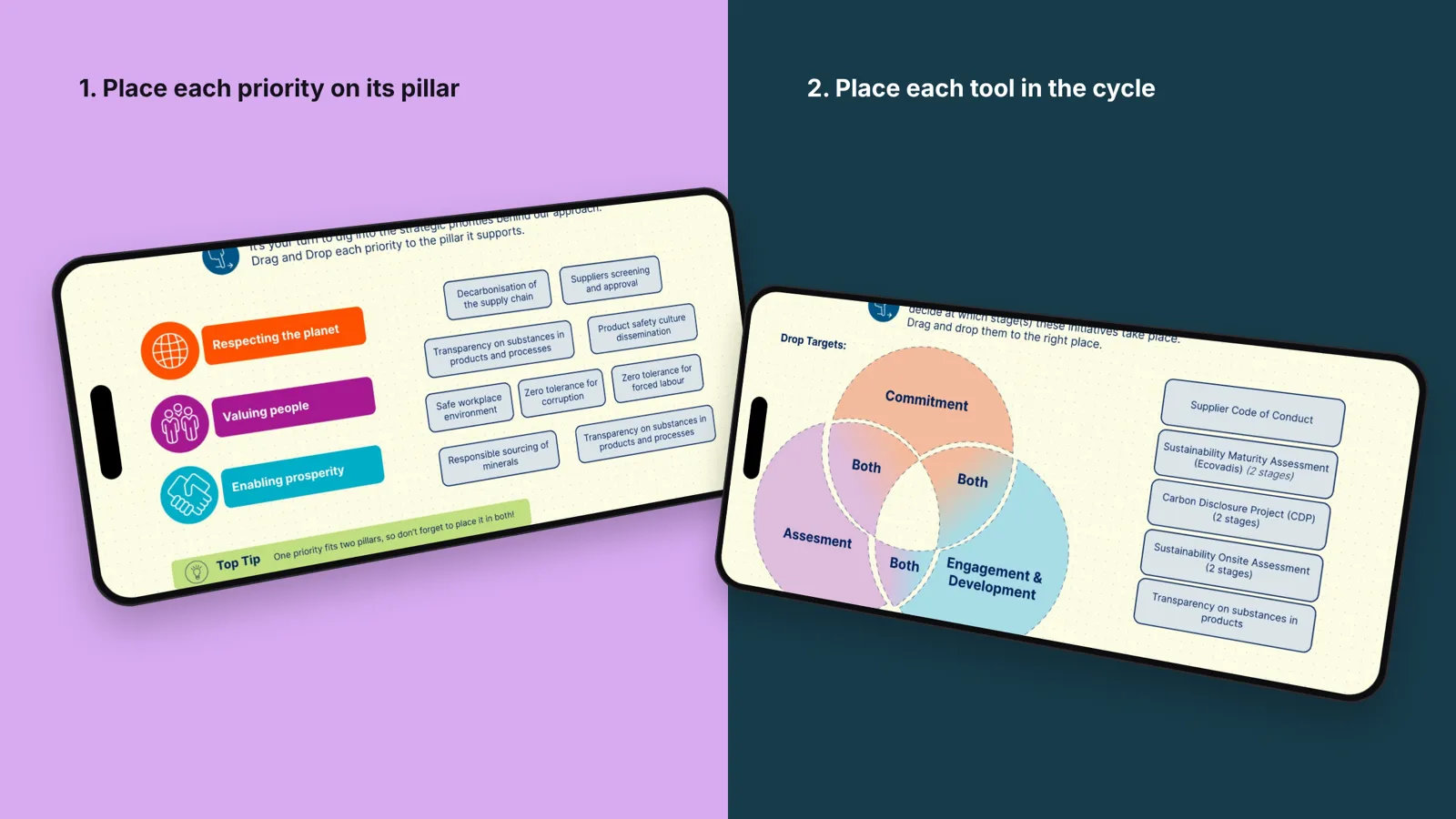
A supplier code of conduct taught as a cycle, not a signature.
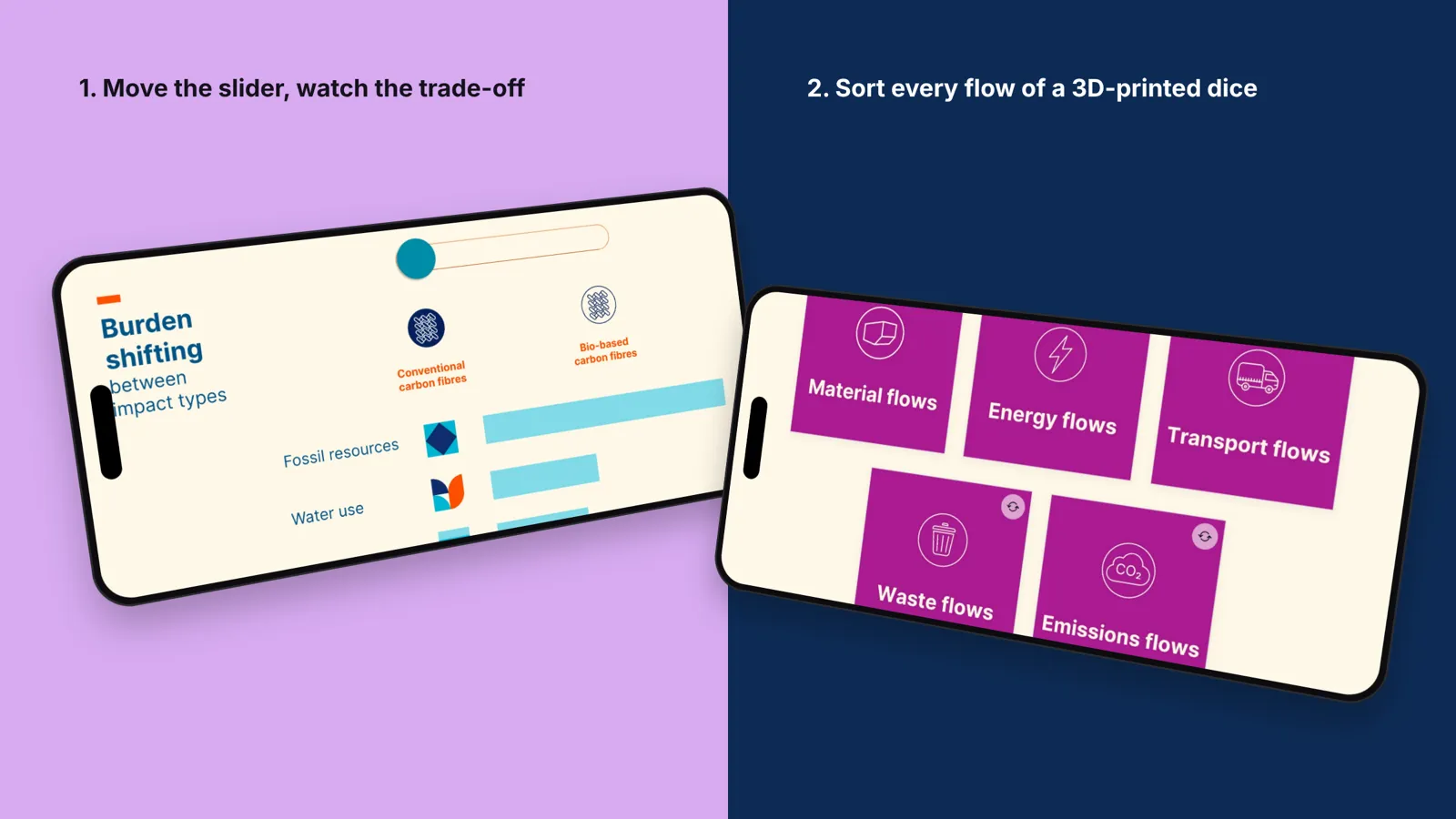
Four modules of ecodesign, from climate context to life cycle assessment, with AI kept to a minimum.
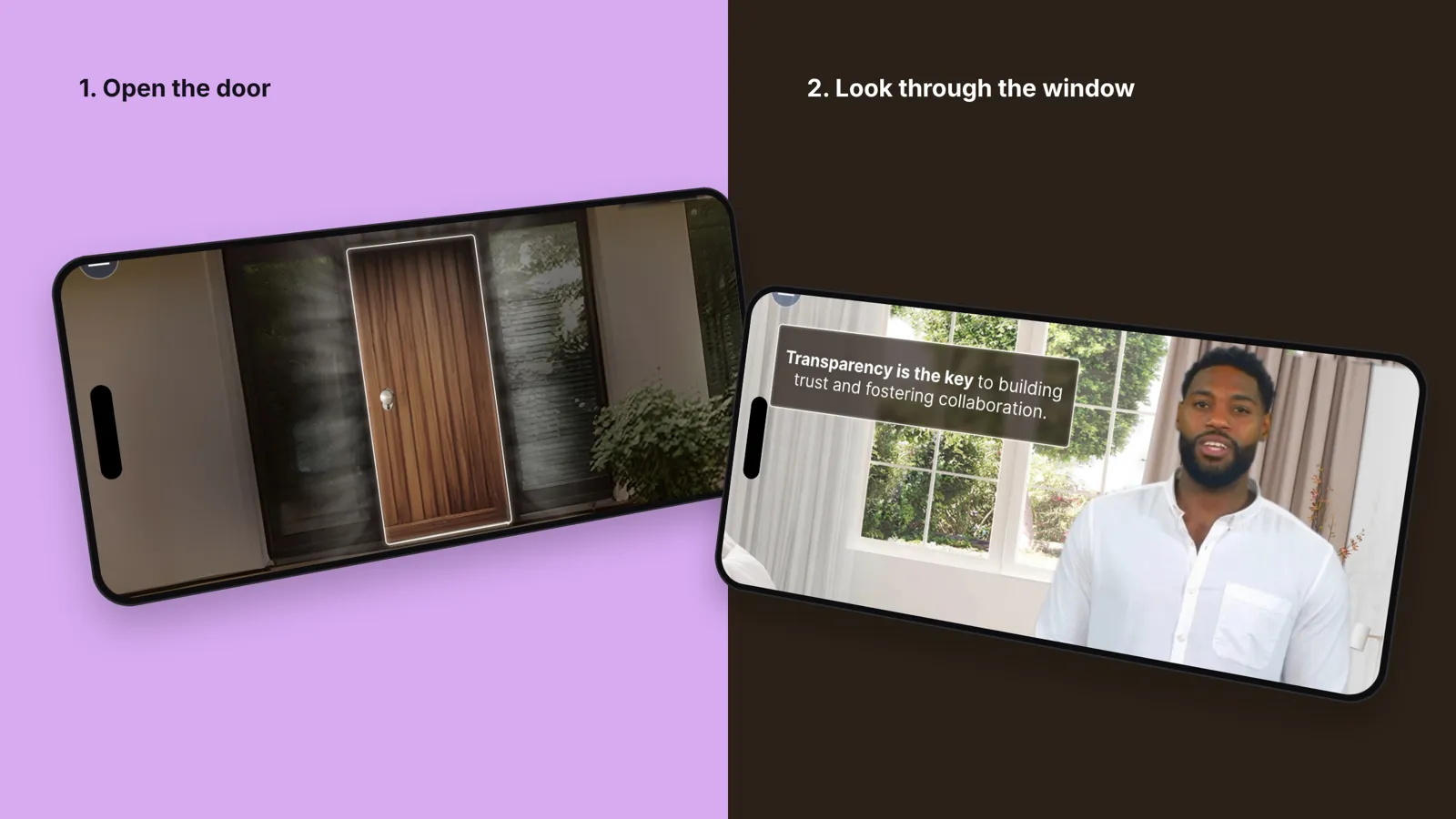
A code of conduct as a house, one value per room, in five minutes.
Show us the strategy or the values. In one conversation, we’ll tell you where people are likely to get lost, and what we’d do about it. No fee, no obligation.
Test us on one subject