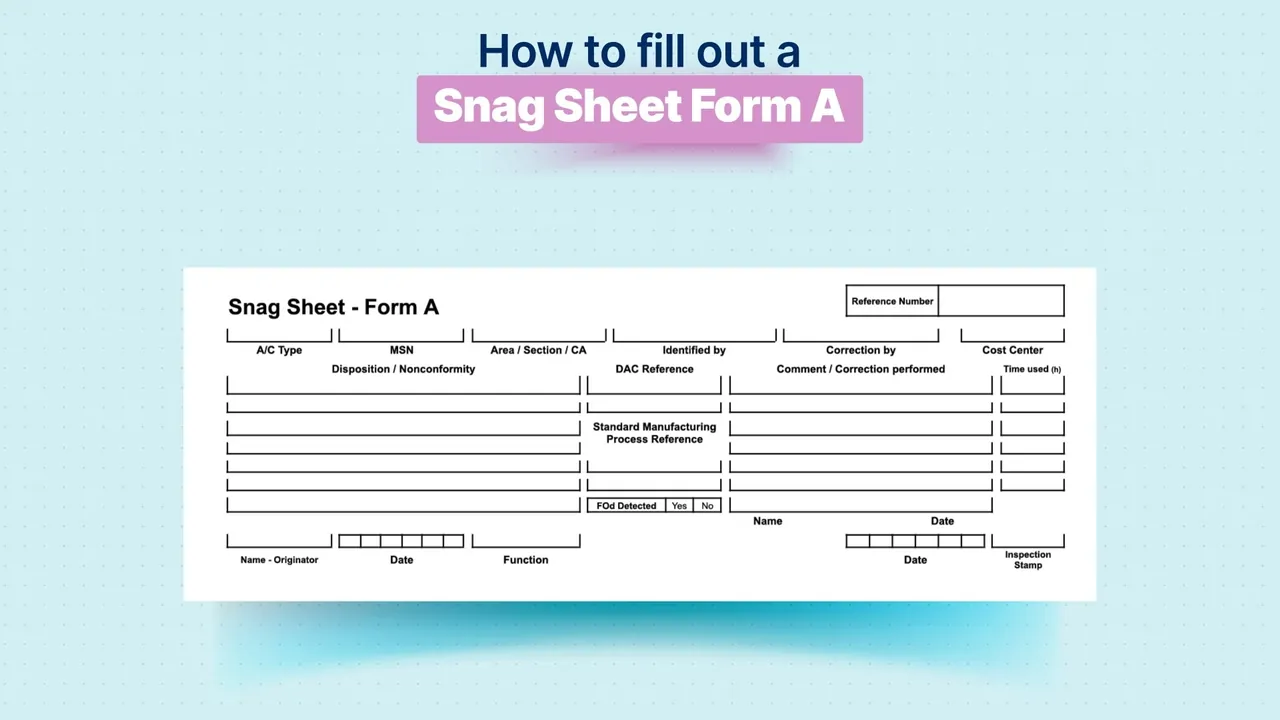
The dullest process on the line, drawn by hand.
Every production line finds small defects. What happens next follows a precise, audited nonconformity process. Training people on it had every reason to be boring.
The challengeDefect handling training with every reason to be dull
When a part doesn’t match its design, the people on the line have to recognise the nonconformity, decide whether it’s minor rework they can fix on the spot, record it, fix it, and have it inspected and closed before the item moves on. Get it wrong and a defect travels down the line, or a five-minute fix turns into weeks of paperwork. The process was precise, full of authorisation levels, forms, conditions and exceptions, and documented in an instruction written for people who already understood it. The client’s quality teams needed it to make sense in thirty minutes, and to stay usable for years.
What we deliveredA hand-drawn course on the snag and nonconformity process
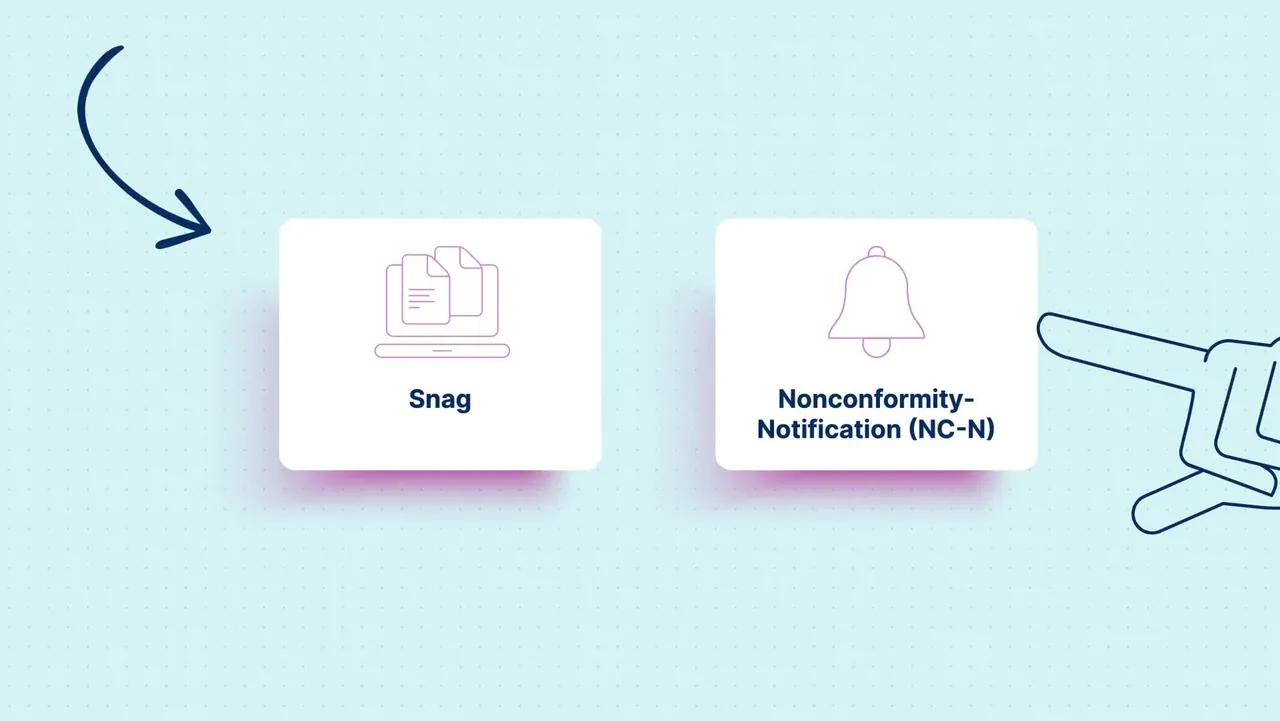
- 1An Alignment Brief with the client’s quality experts and five things people had to be able to do: identify a nonconformity, know what counts as minor rework, create a snag, follow the global process, and use the decision tree.
- 2A Story Blueprint built on one idea: one voice, one pen, the process drawn as it’s explained.
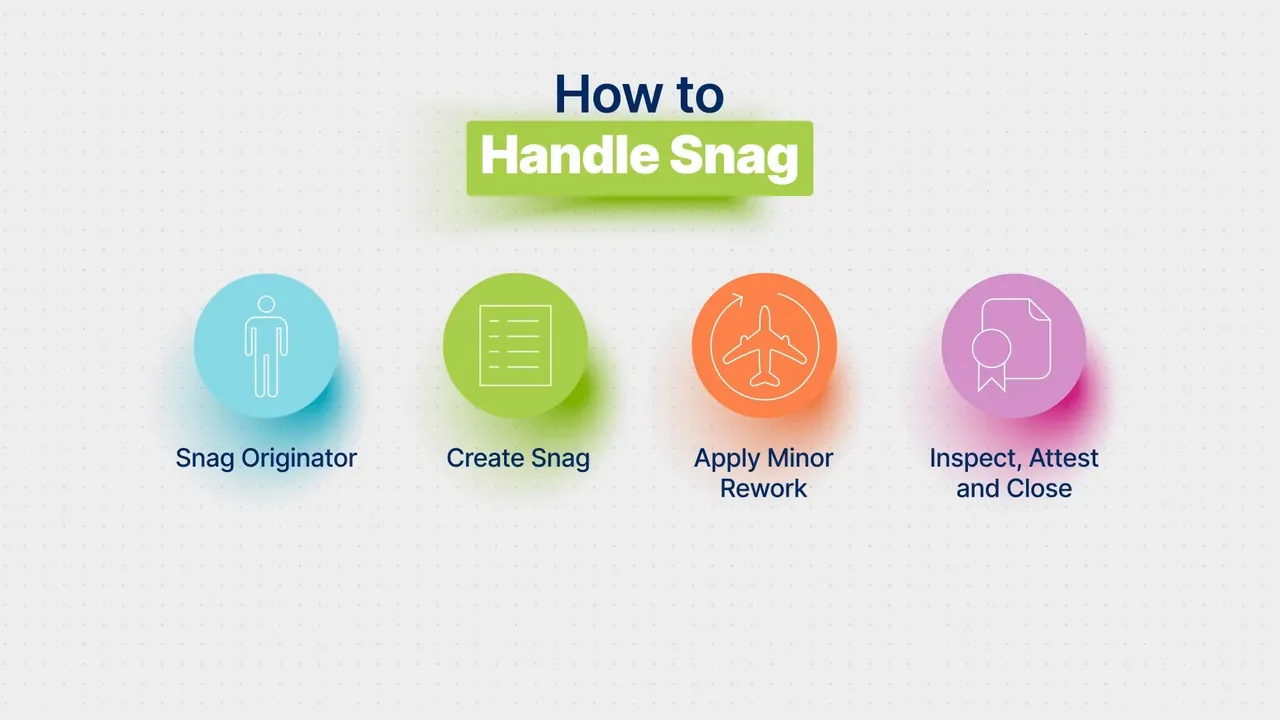
- 3A 30-minute nonconformity process training course with a narrator and hand-drawn visuals, following the process in the order it happens: record, create, rework, inspect and close.
- 4A decision tree people download and keep where they work, so the hardest call, handle it here or escalate it, doesn’t depend on memory. Plus key takeaways to keep.
The idea, and why it workedOne voice, one pen, the process drawn as it’s explained
Hand drawing is the oldest way of explaining something: someone talking you through it while the picture appears on the board. A narrator explains each step and the drawing builds line by line, so nobody sees more than they need at that moment. Before the definitions, people play a short game, matching terms to definitions they haven’t been taught yet, so the answers arrive as discoveries rather than instructions. Flip cards show when the process applies and when it doesn’t. And the decision tree takes the detail off people’s minds and puts it on paper.
It worked because the subject stayed exactly as precise and the explanation became human: one voice, one pen, one step at a time.