Sustainability, explained for the people who sell.
Customers buying a helicopter used to ask about range, payload and price. Now they also ask what the manufacturer is doing about sustainability. The sales team needed sustainability training that made their answers confident, accurate and in the customer’s language.
The challengeCustomers now ask about sustainability
The client’s helicopter business had a clear sustainability approach: a purpose, an ESG framework, decarbonisation levers and services for customers, from sustainable aviation fuel to end-of-life management. Its global sales team needed to talk about all of it with customers around the world. The subject is technical and moves fast, with fuel certificates, carbon capture and regulation. Sales people aren’t sustainability experts, and the risk was that they’d either avoid the topic or overpromise.
What we deliveredSustainability training shaped like a sales conversation
- 1An Alignment Brief with the client’s sustainability and sales leads: what customers actually ask, what sales people must be able to explain, and where they should hand over to an expert.
- 2A Story Blueprint built on one idea: follow the shape of a sales conversation. Who we are, what the customer cares about, what we can offer.
- 3An interactive sustainability training course for sales, with a presenter on video, a glossary to keep, and links to the client’s fuel knowledge centre.
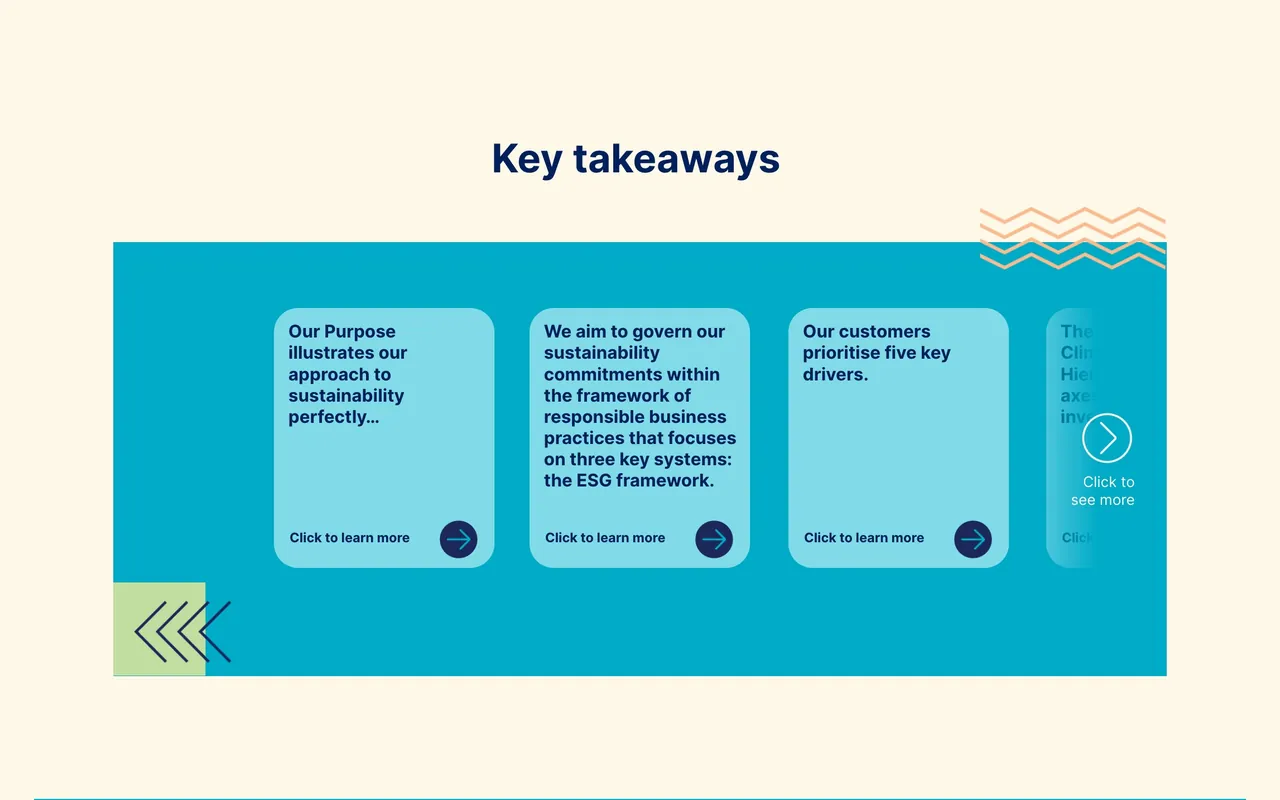
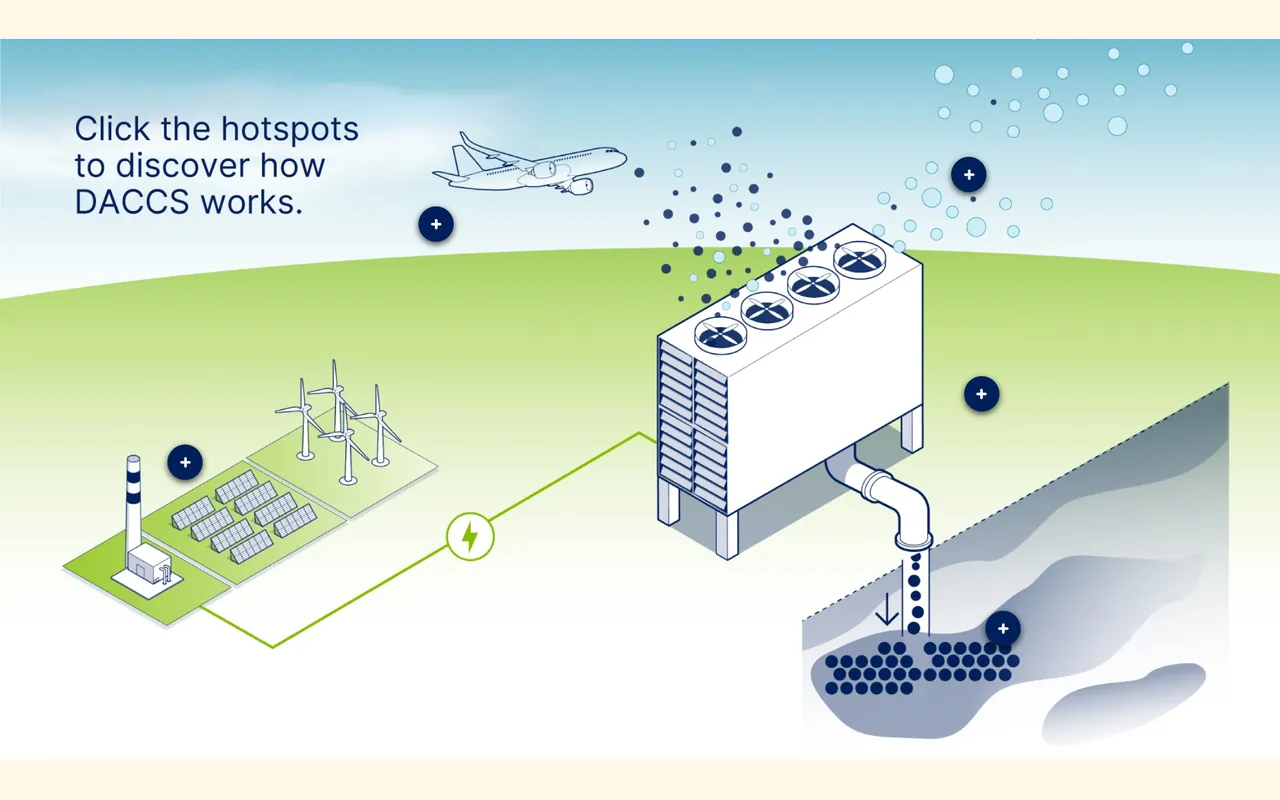
- 4Activities built around the customer: the company’s purpose broken down word by word, cards on each ESG pillar, a customer video with a drag-and-drop on the five reasons customers care, and step-by-step explanations of the most technical offers.
The idea, and why it workedFollowing the customer’s questions
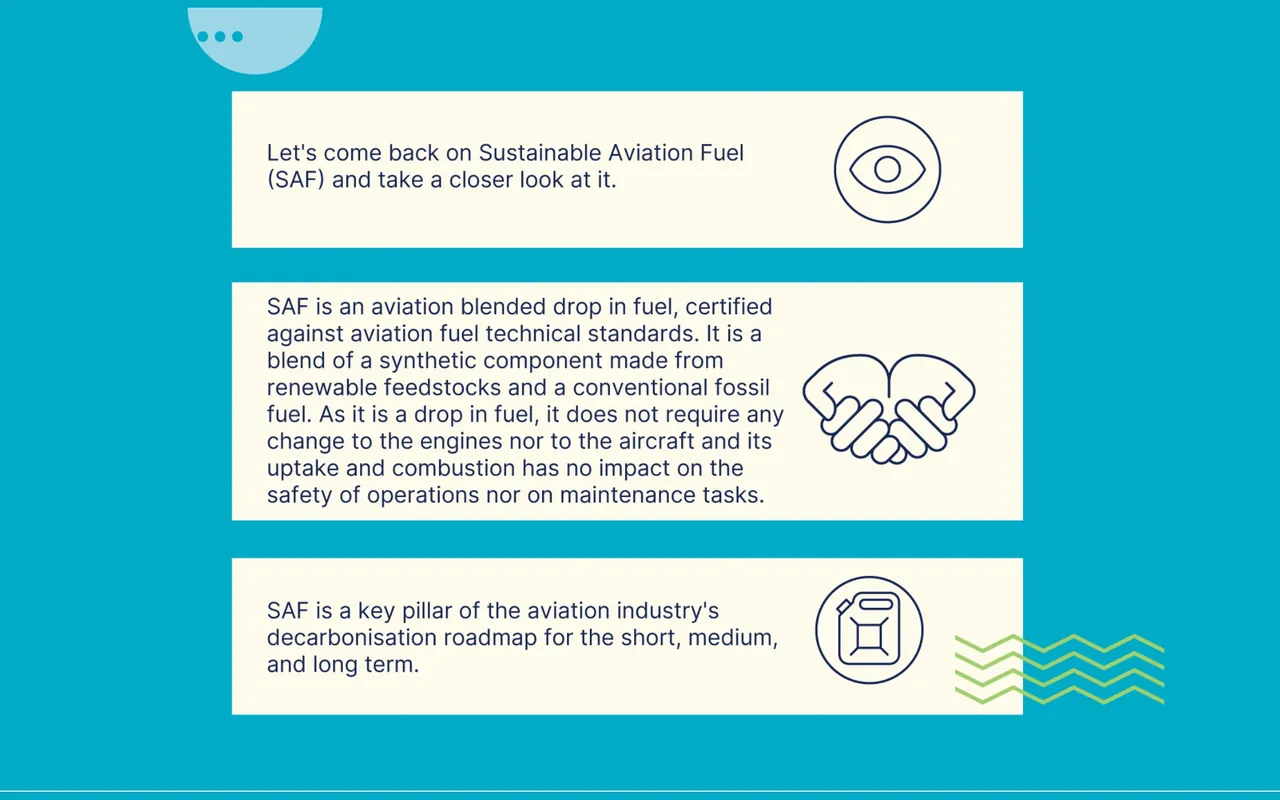
The course is organised the way a good sales conversation goes. It starts with the company’s purpose and what it means in practice, across environmental responsibility, social responsibility and governance. Then it turns to the customer: in their own words, customers care about sustainability for five reasons, responsibility, reputation, getting ahead of regulation, competitiveness and resilience. Knowing which one matters to a customer tells a salesperson where to start. Only then does it explain what the company can offer: the hierarchy of avoid, reduce and compensate, the levers that apply to helicopters, sustainable aviation fuel, carbon capture and end-of-life services.
The hardest idea, a Book and Claim system that lets a customer claim the benefit of sustainable fuel used somewhere else, is explained with something most people already have: a green electricity contract. It worked because every complex idea was tied to something familiar, and because the course followed the customer’s questions, not the organisation chart.