A business trip, one stamp at a time.
Travel security advice usually arrives as a list, read once and forgotten by the airport. The client wanted travel security awareness training people would carry.
The challengeTravel security advice forgotten by the airport
The client sends people all over the world, some of them to high-risk destinations. Every traveller had responsibilities before, during and after a trip: checking the risk rating, getting approval, keeping contact details up to date, behaving securely in transit, and knowing who to call when something goes wrong. The information existed. What was missing was a way to make it part of how people travel.
What we deliveredTravel security training, one business trip in order
- 1An Alignment Brief with the client’s travel security team: the responsibilities every traveller has, and the moments where people get them wrong.
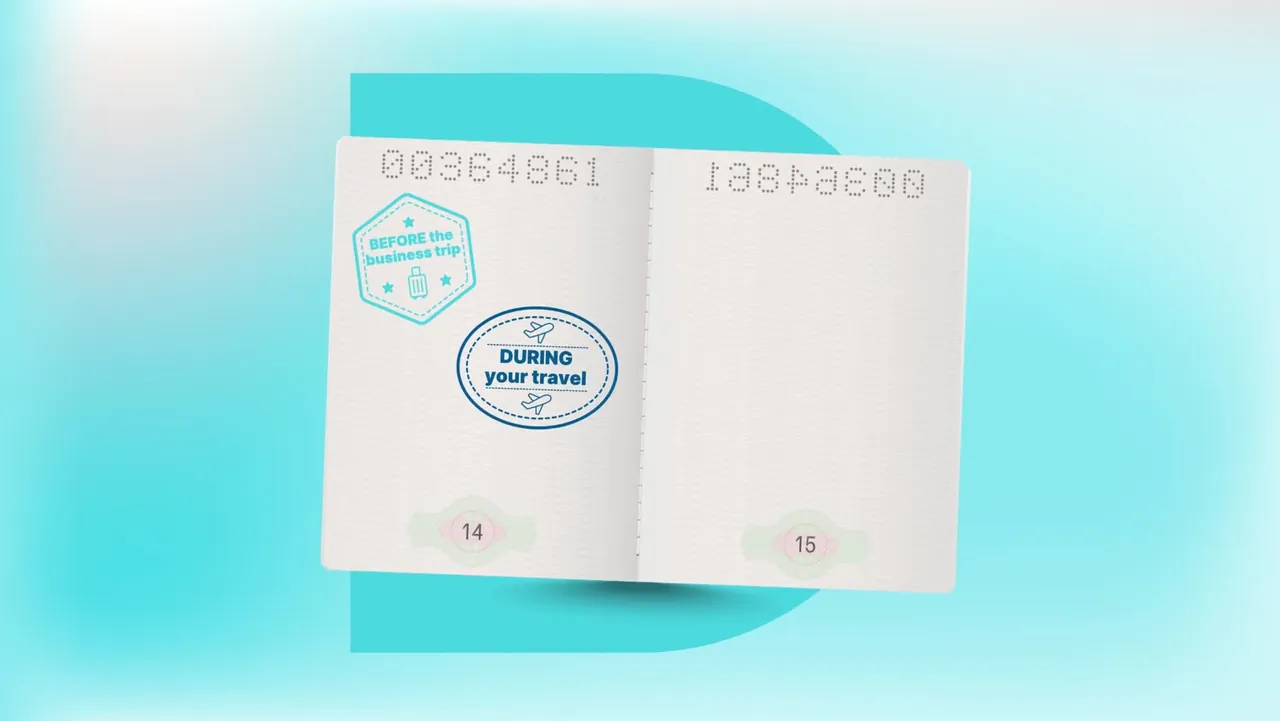
- 2A Story Blueprint built on one idea: a travel security passport that fills with stamps as you go.
- 3An interactive travel security eLearning course that follows a single business trip in order: preparing, the airport, customs, transport, the office, the walk back, an incident and the hotel.
- 4The passport itself, available outside the course on the travel security pages, so people can use it on every trip after.
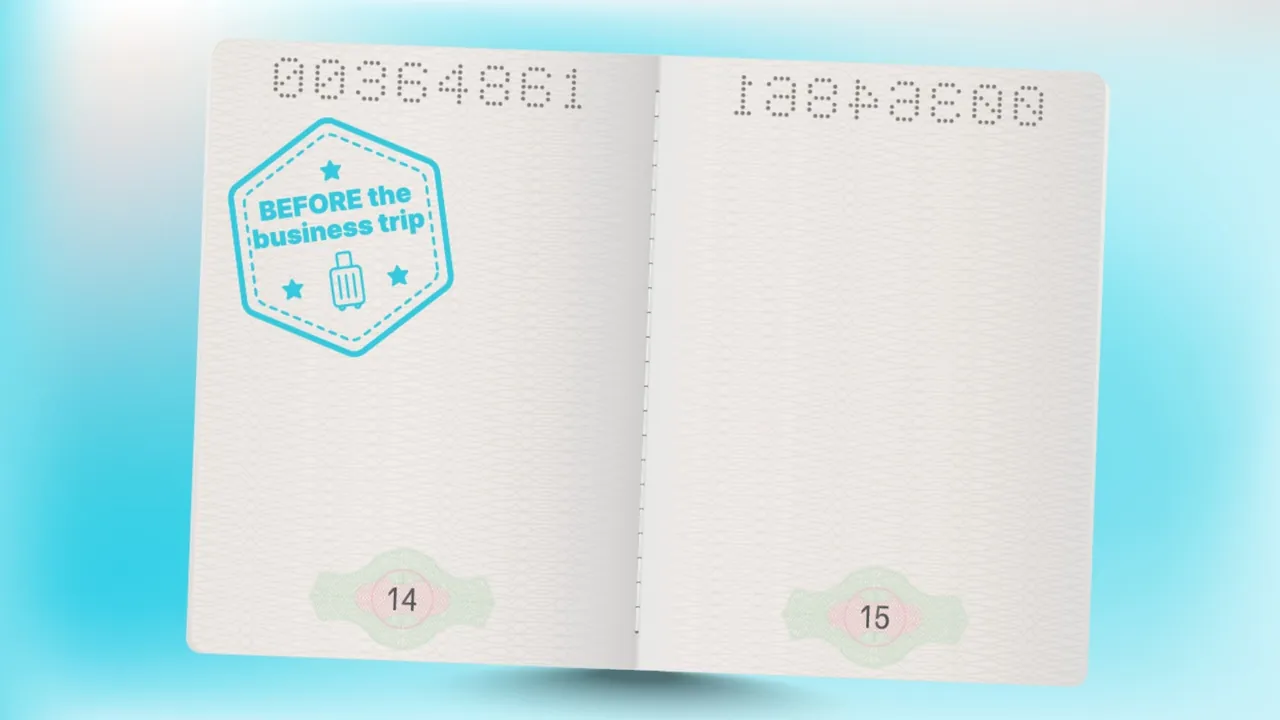
The idea, and why it workedA passport that fills with stamps
The learner gets a passport at the start and a stamp at every stop. Before leaving, they check their destination’s risk rating, find out who approves a high-risk trip and save the assistance number. At customs, an officer asks to switch on their laptop. In the departure lounge, an urgent call needs a quiet corner. In the city, they choose transport and keep a low profile. On the walk back, something goes wrong, and they learn how to react and who to call once they’re safe. At the hotel, they check the exits, the doors and the windows, and learn that a great view is not a safety feature.
It worked because the course was built around something people would carry anyway. By the end, they’d already practised with the passport they’d use on their next trip.