Safety training for people who’ve seen it all before.
An aviation safety refresher has a hard audience: people who already know the content, or think they do. The challenge isn’t explaining the safety system. It’s making them look at it again.
The challengeA safety refresher for people who’ve seen it all
The client’s helicopter business runs an aviation safety management system built on four components: policy and objectives, safety risk management, safety assurance and safety promotion. Every employee and contractor needed a regular refresher on it, together with the company’s Speak-Up and Just & Fair Culture. Most of the audience had taken safety training before. The risk wasn’t that they didn’t know the system. It was that they’d click through it, recognise every word, and change nothing.
What we deliveredAviation safety training that puts people inside the system
- 1An Alignment Brief with the client’s aviation safety team: what every employee must take away, which behaviours matter most, and where the previous training had stopped landing.
- 2A Story Blueprint built on one idea: don’t repeat the system, put people inside it.
- 3A one-hour aviation safety refresher training course with a presenter on video, organised as the four components of the system, each with its own chapter, colour and recap.
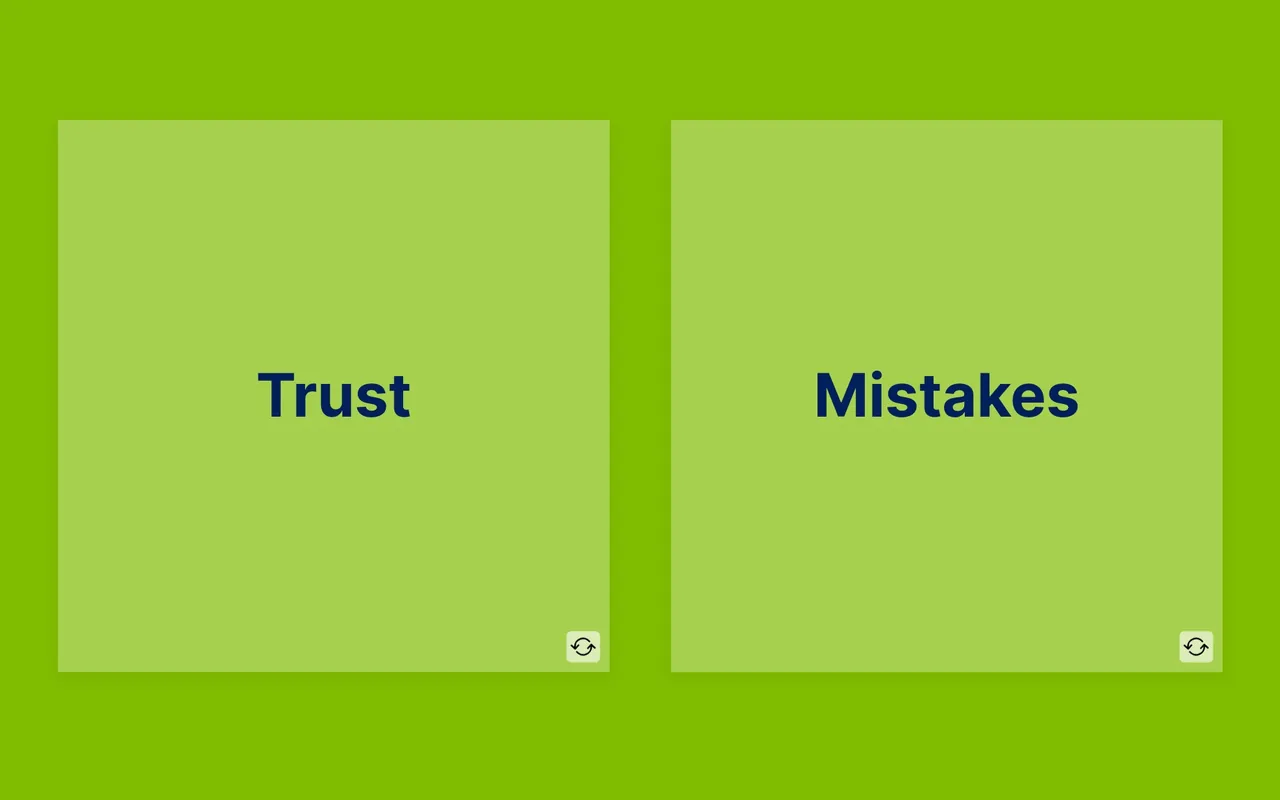
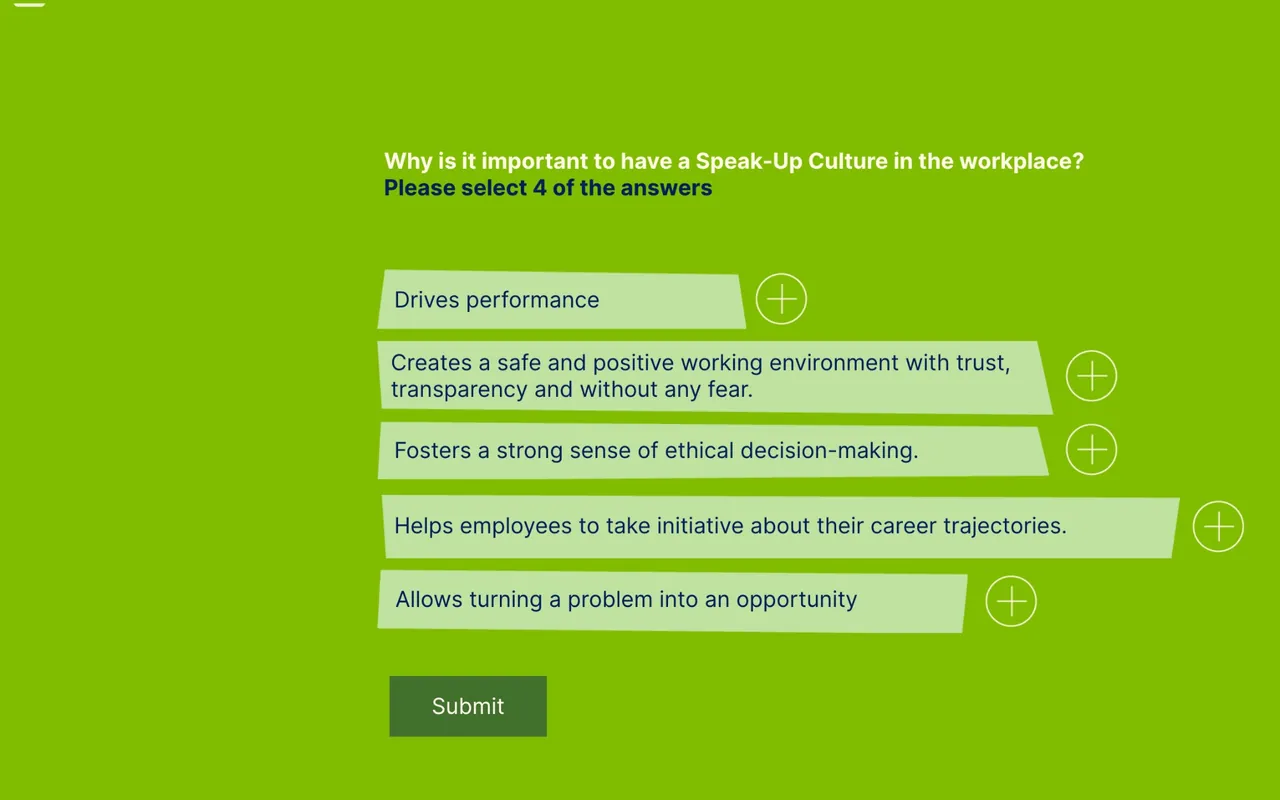
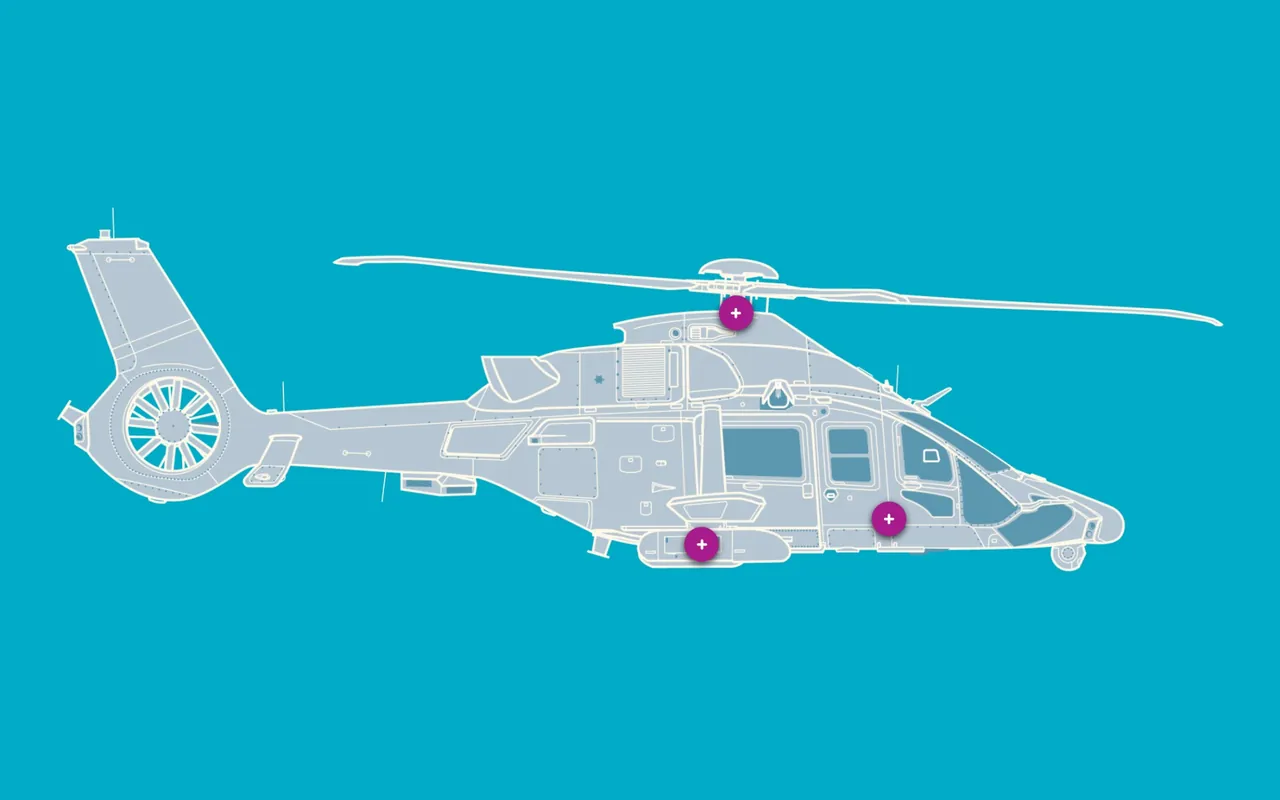
- 4Practice that asks people to act: a colleague’s scenario to advise on, an accident timeline to slide through, a helicopter to explore for foreign object damage, cards on the four Speak-Up messages, quizzes and key takeaways to keep.
The idea, and why it workedThe learner is the one asked for advice
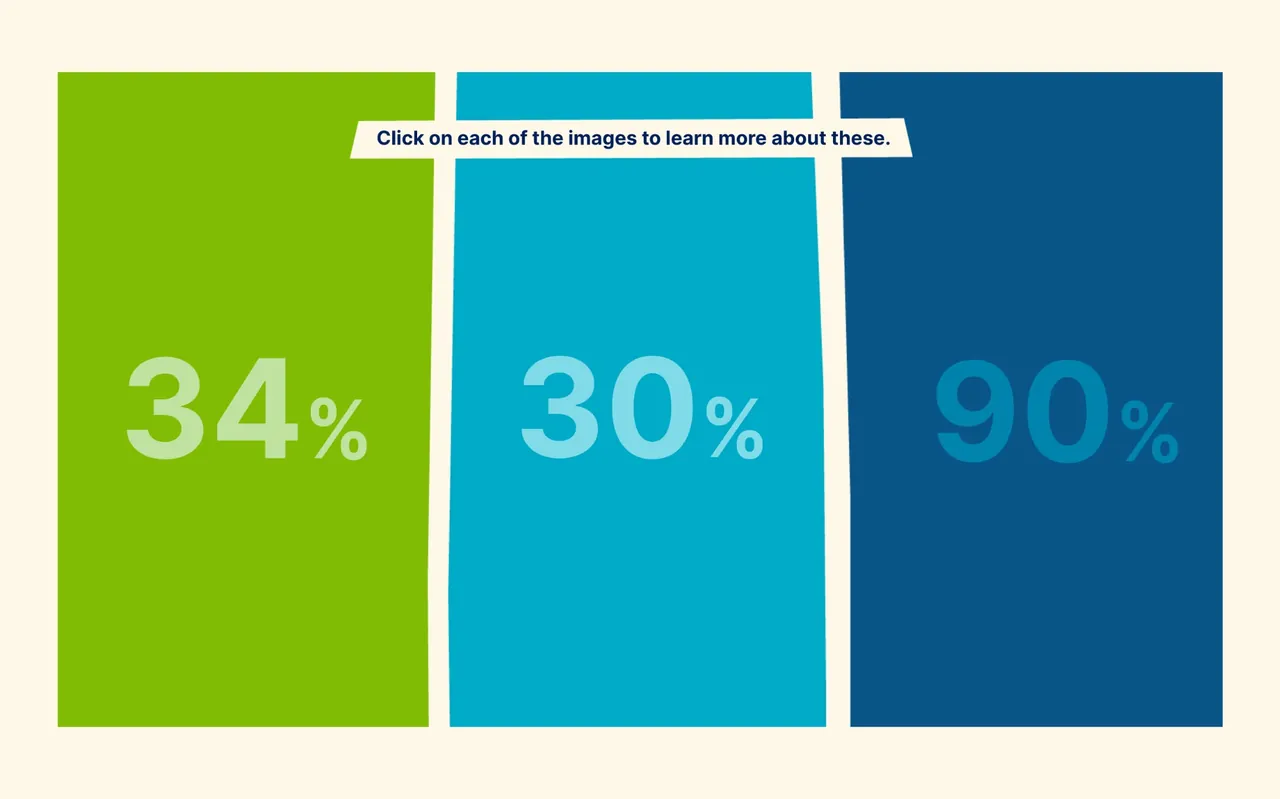
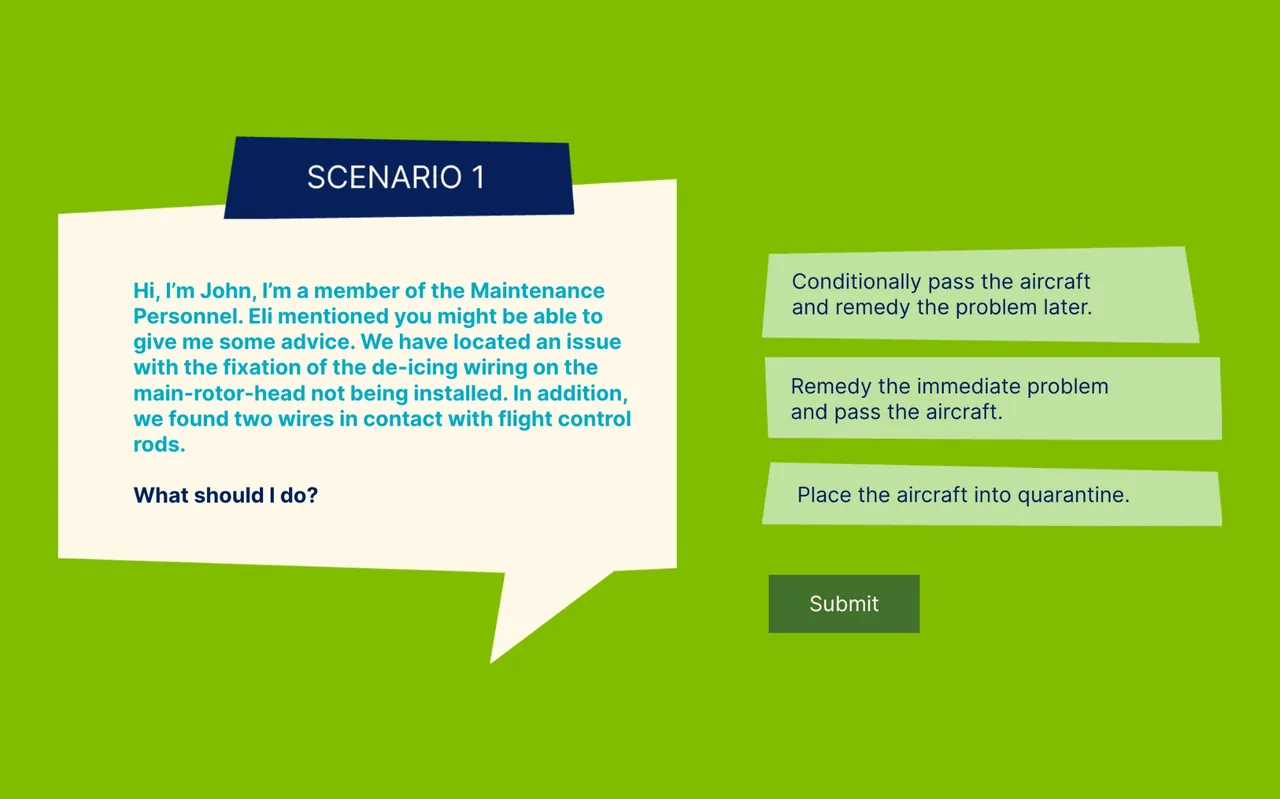
The course starts with why before what. It opens on human error, with three figures from aviation research and a set of real accidents, each with the failures behind it. Then the system arrives as the answer. In the risk management chapter, a colleague asks for advice: John, from maintenance, has found wiring not properly fixed and two wires touching the flight controls. Should he pass the aircraft and fix it later, fix it now, or quarantine it? The learner has to decide. A slider then walks through a real accident step by step, root cause by root cause. And the course ends on people: trust, mistakes, intention and information, the four messages of a culture where reporting a mistake is expected, not punished.
It worked because a refresher can’t surprise people with its content. It can surprise them with their own role in it. When you’re the one being asked for advice, you stop recognising the material and start using it.