A code of conduct you can walk through in five minutes.
A code of conduct is long, important and rarely read. The client wanted code of conduct training that showed every employee what it stands for and where to turn, in the time people actually give it.
The challengeA code of conduct that’s long, important and rarely read
The client’s Code of Conduct sets its expectations on business ethics, safety, quality, security, social responsibility and people matters. Every employee needed to know it: what values it stands for, how to make decisions in line with it, and where to find guidance and support. The document itself is a reference, and a reference is easy to file away. The training had to be short, memorable and serious, because the company knew from its own past what a failure of integrity costs.
What we deliveredCode of conduct training in five minutes
- 1An Alignment Brief with the client’s ethics and compliance team: the messages every employee must keep, the behaviours to rule out, and the extra responsibility of managers.
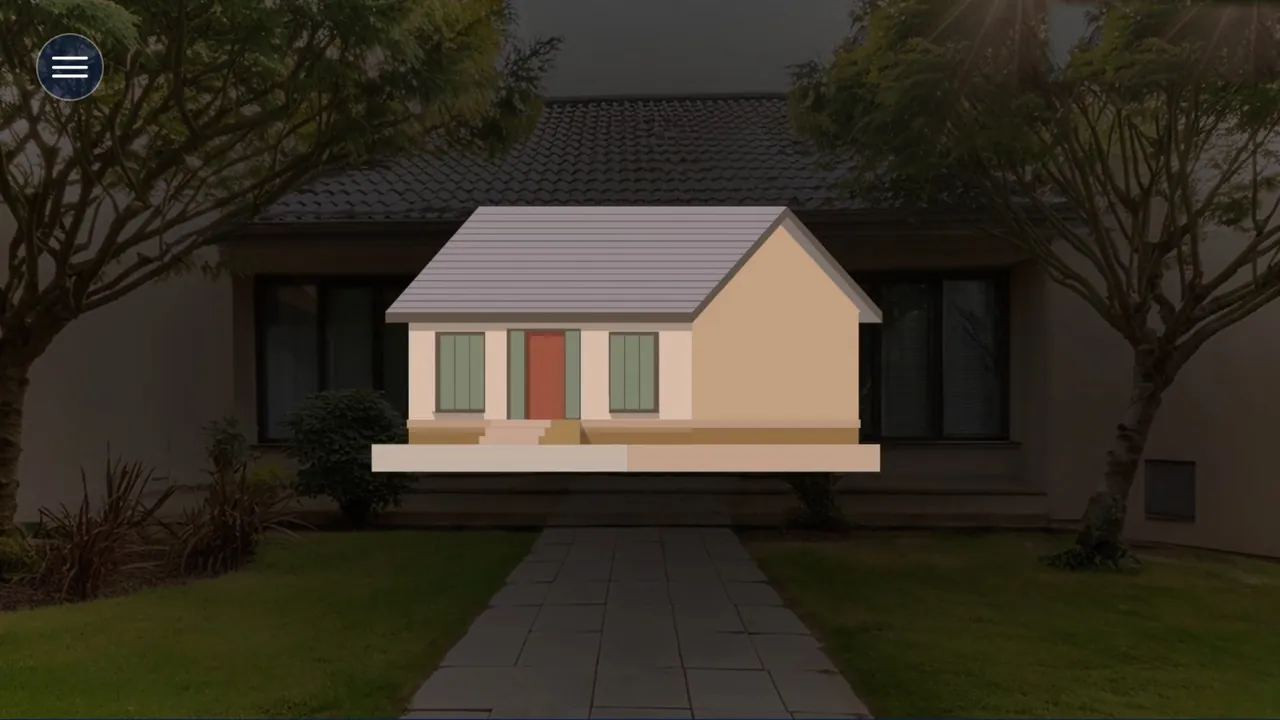
- 2A Story Blueprint built on one idea: the code is a house, and every part of it holds one value.
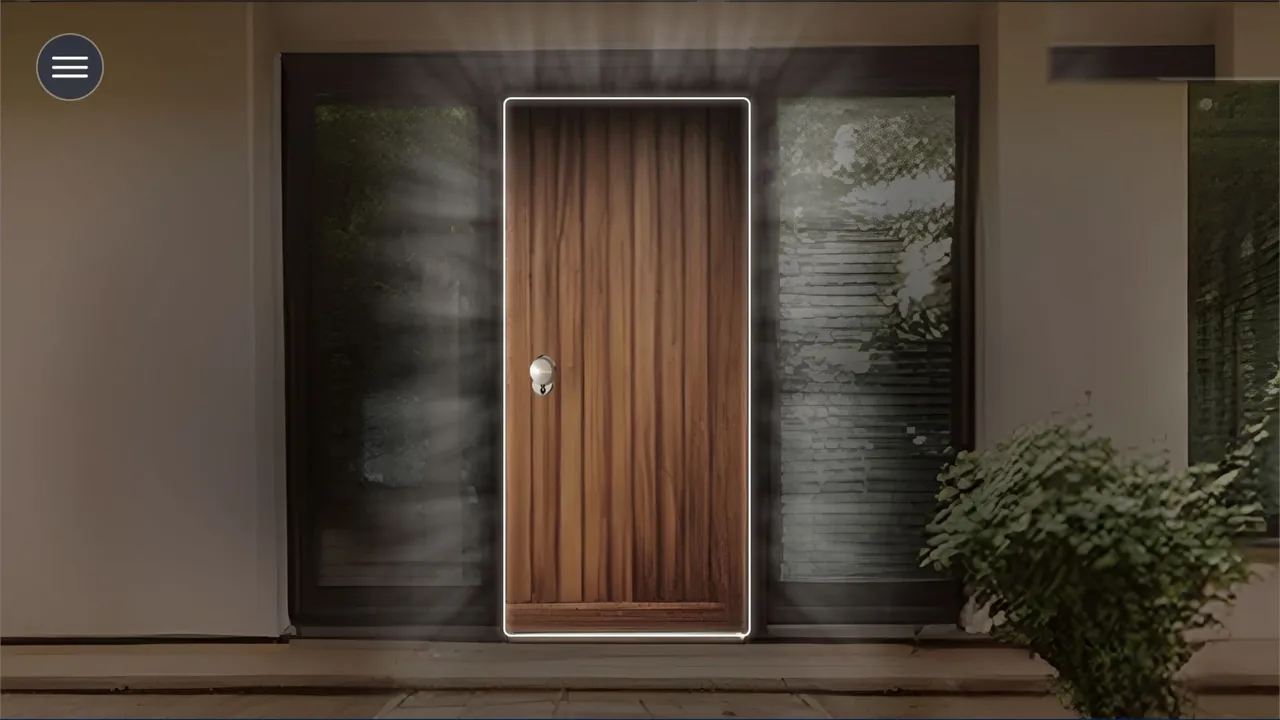
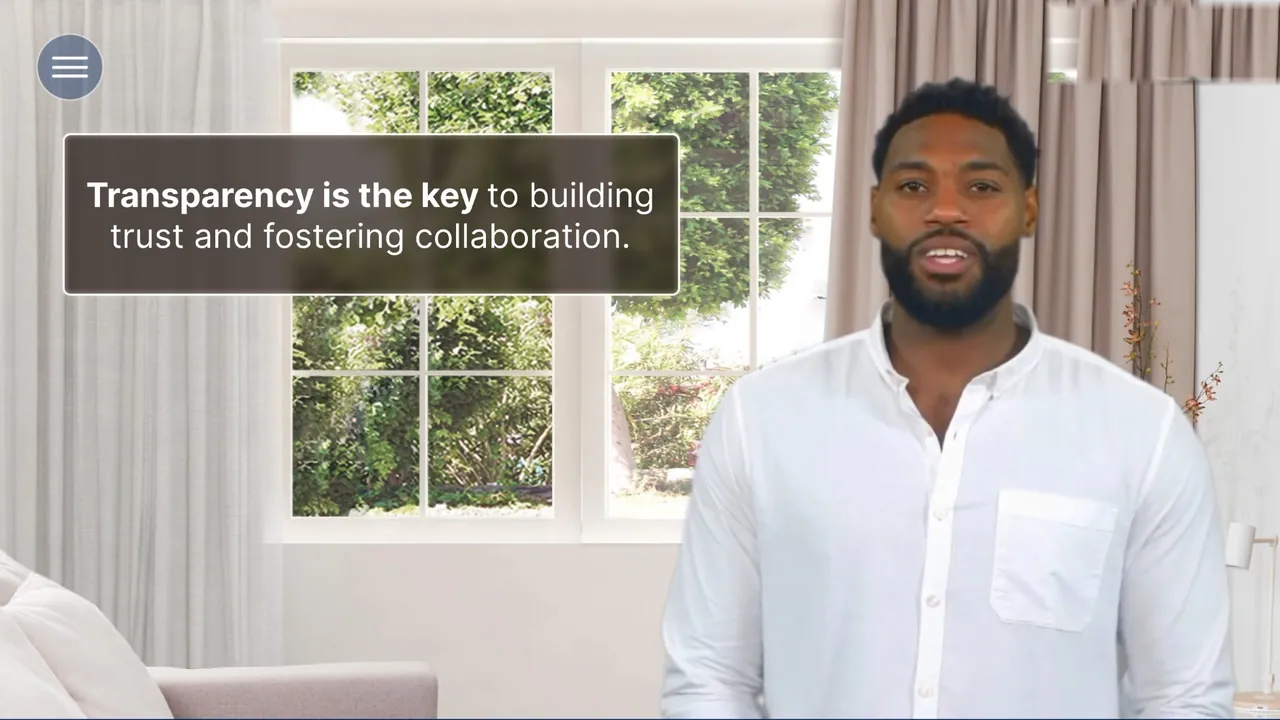
- 3A five-minute interactive code of conduct eLearning course in several languages, filmed with a presenter who walks the learner from the front door through the hall and living room.
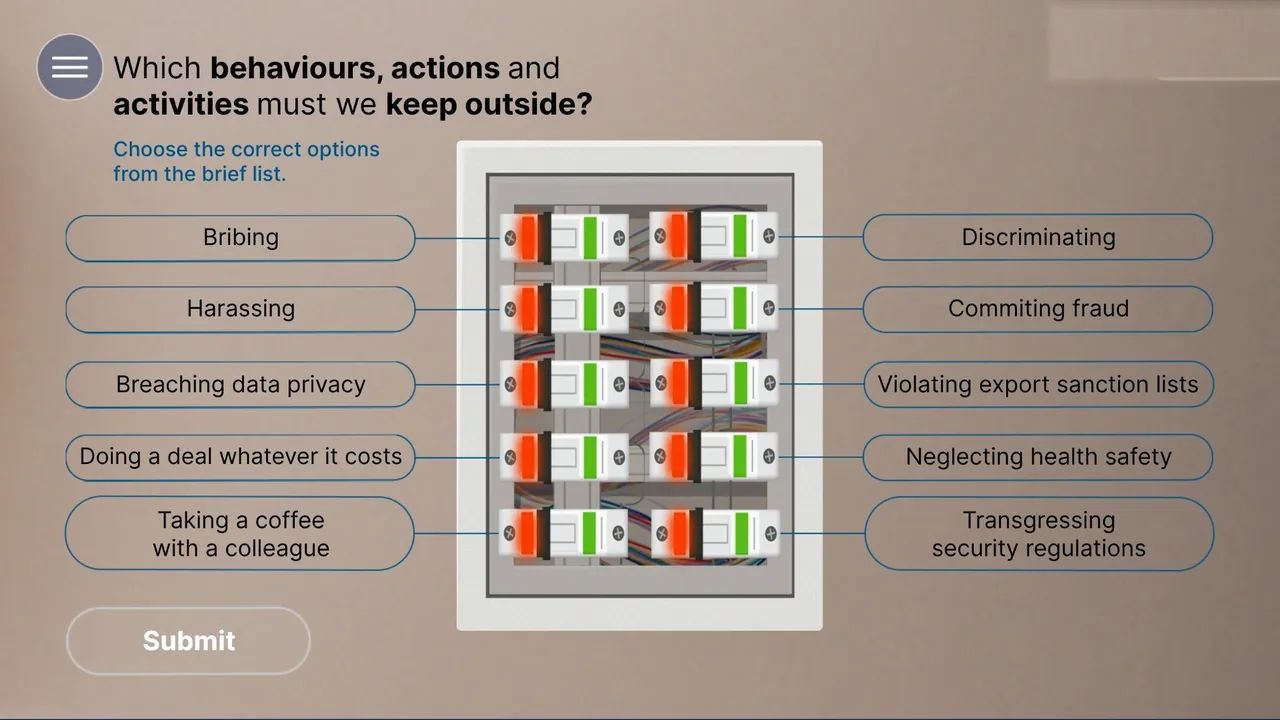
- 4A final quiz built as a fuse box, plus a pointer to the full Code of Conduct and the learning platform.
The idea, and why it workedA house where every room holds one value
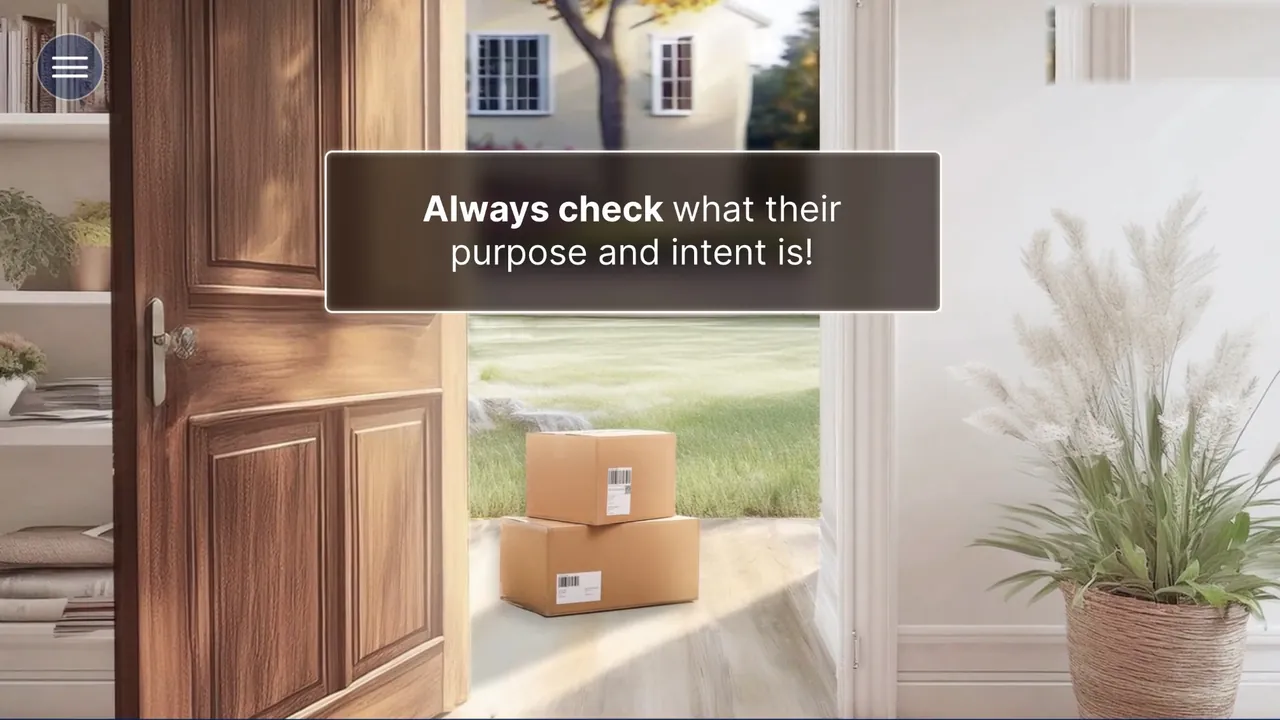
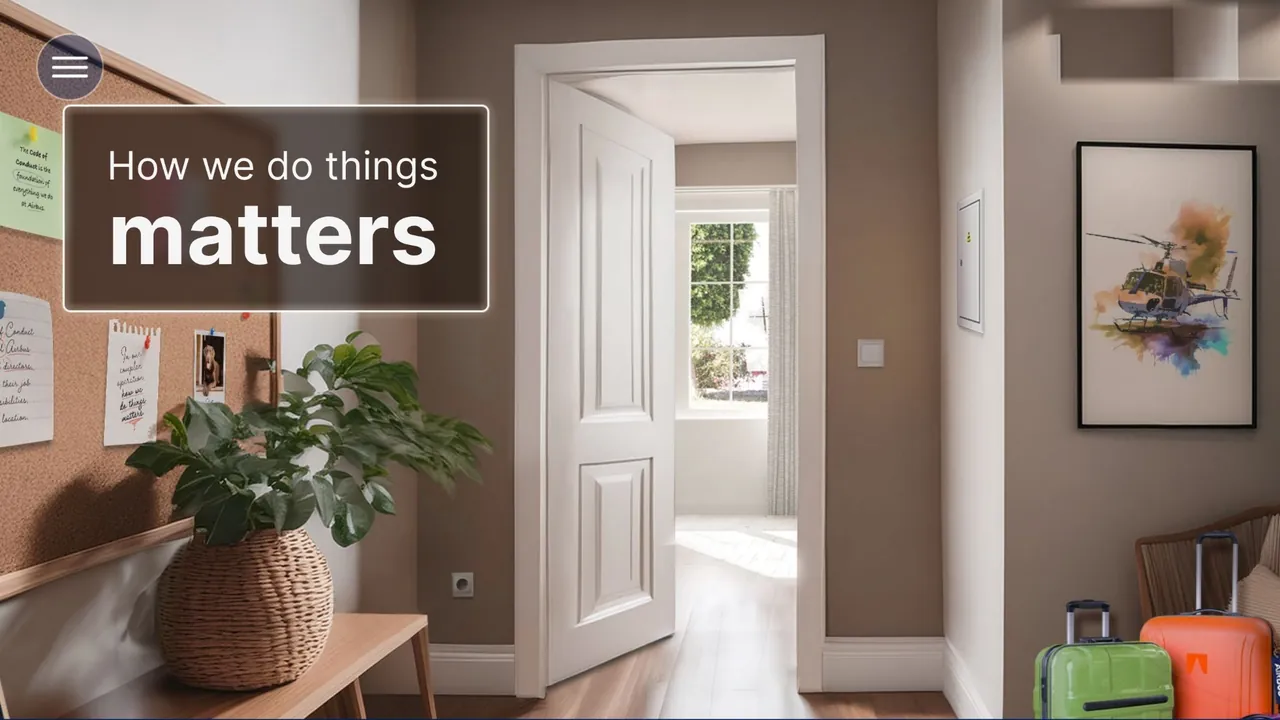
The presenter opens with “this time is different” and invites the learner into a house. Each part of it carries one message. The hall’s cork board says what the code is: a moral compass and a reference, not an answer to every dilemma. The window is transparency, the key to trust. The walls carry sound, so if you hear or see something unusual, you speak up. The roof is the solid foundation that protects everyone from ethics and compliance violations. Then the doorbell rings with a delivery: a simple gift, until you check what it’s for. The quiz is the house’s fuse box, where learners switch off the behaviours that must stay outside, from bribery and harassment to breaching export sanctions, and keep on the ones that belong, like a coffee with a colleague.
It worked because people forget lists but remember places. Five minutes was enough because every message had a room, and the house gave people a way back to the code when they need it.