A procedure, cleared for take-off.
A new procurement process for early supplier involvement: bringing suppliers and partners in early in development. Several functions, many activities, and a procedural document that answered every question, if you knew where to look.
The challengeAn early supplier involvement procedure few could navigate
The process let the client bring suppliers and partners in early to mature new technologies and business, reducing time to market. It touched procurement, project teams and several accountable functions, and every activity had its own inputs, outputs and accountable actor. All of it was in the procedural document. But a document organised by chapter and code is easy to look things up in and hard to learn from. People needed to understand the whole process before they could find their part of it.
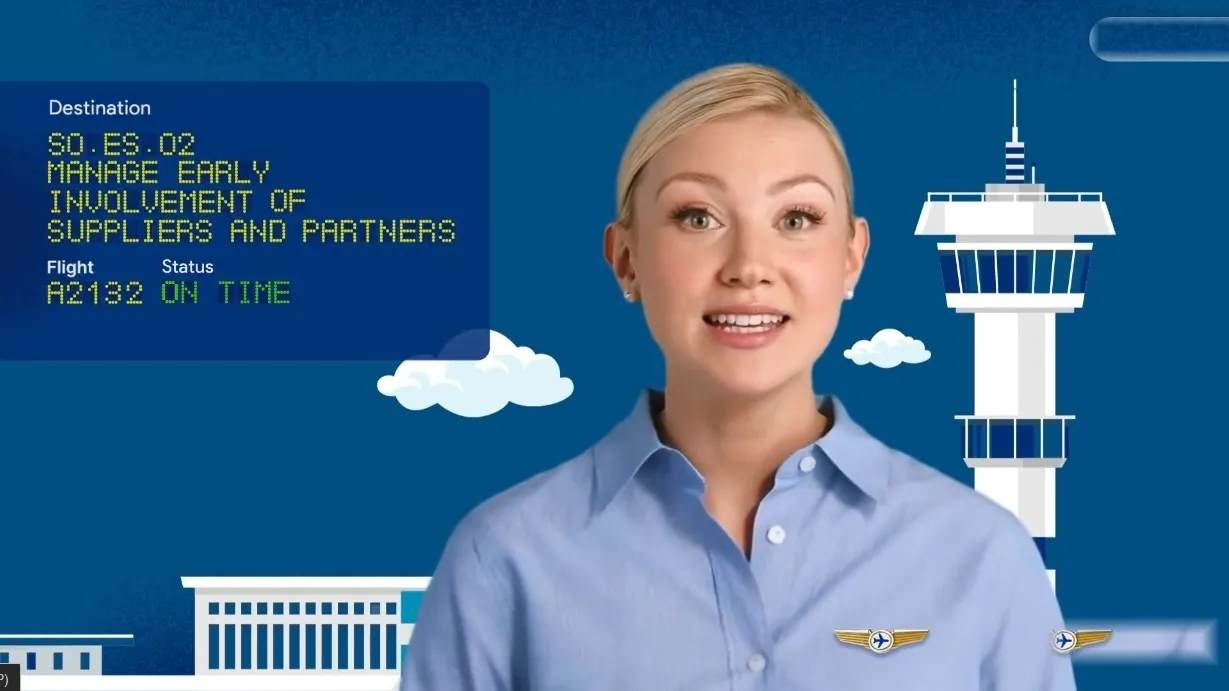
What we deliveredProcurement process training, taught as a flight
- 1An Alignment Brief with the process owners: who uses the process, at which step, and what they must hand over.
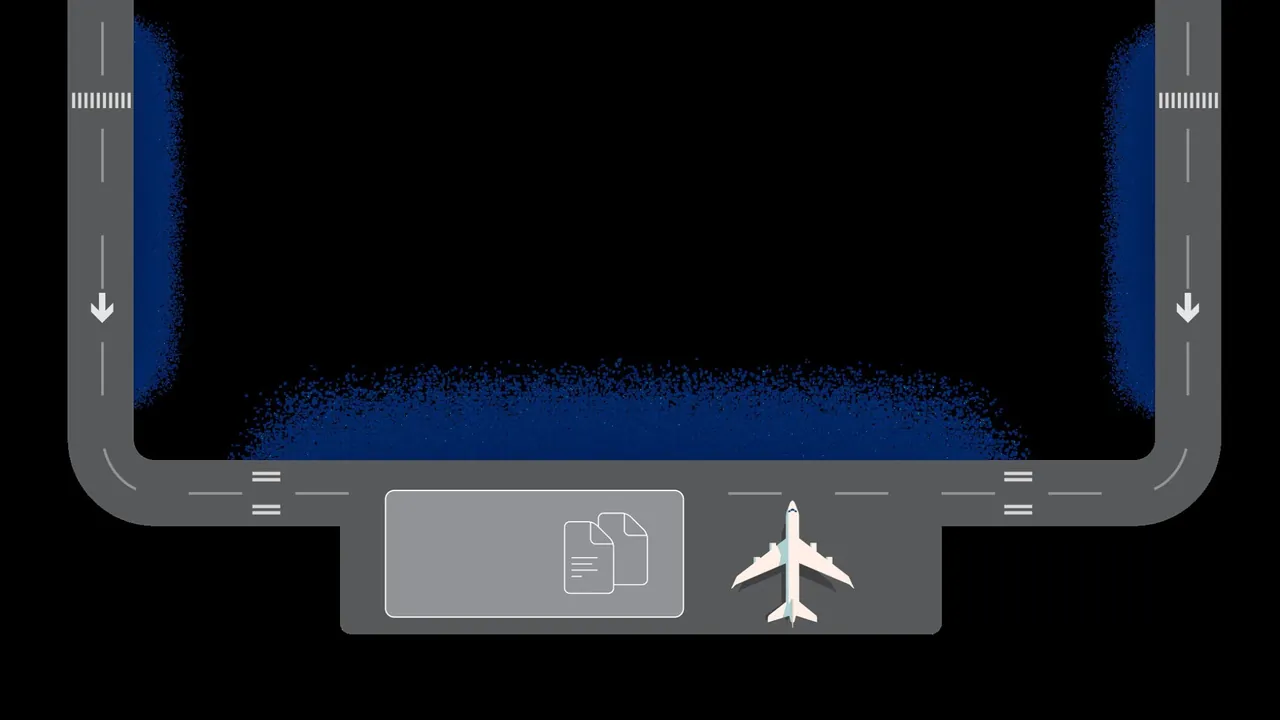
- 2A Story Blueprint built on one idea: adopting a new process is like a flight, and this one has three phases.
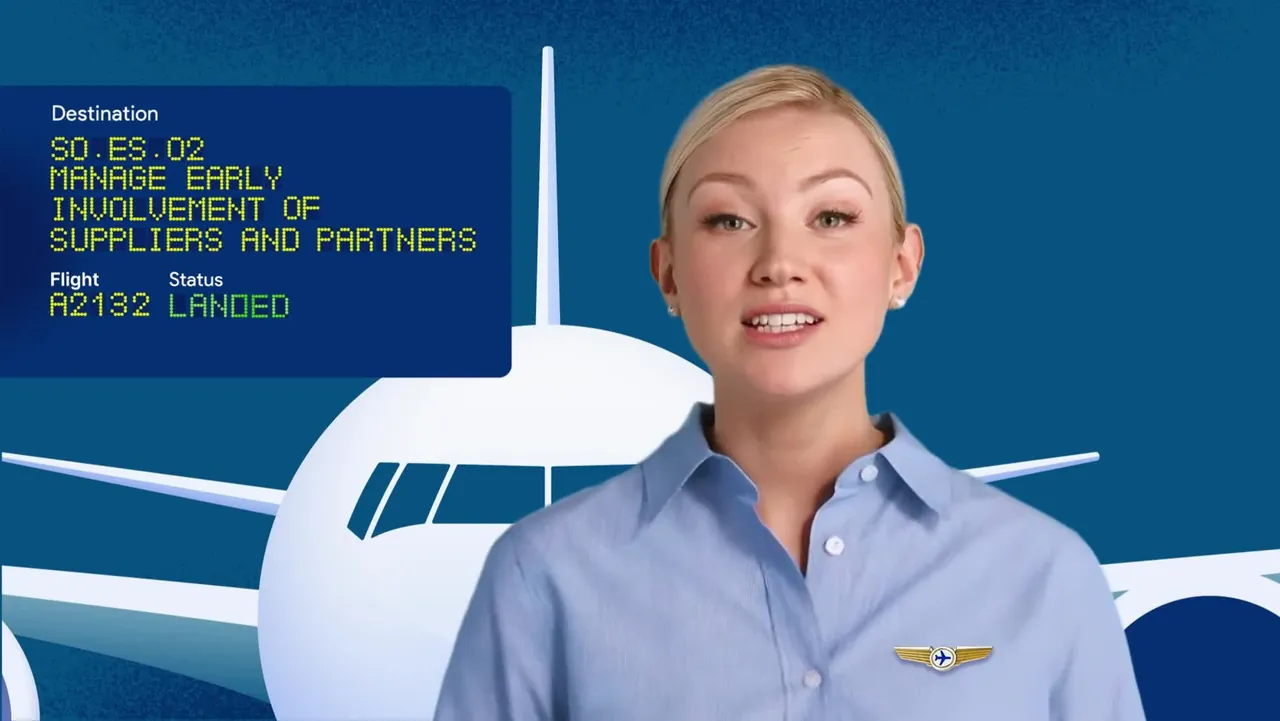
- 3An interactive early supplier involvement training course that follows the three groups of activities as take-off, route and landing, and shows every activity in the same way: what goes in, what comes out, and who is accountable.
- 4Direct references to the relevant chapters of the procedural document, so people learn where each step lives in the real thing.
The idea, and why it workedThe same skeleton at every step
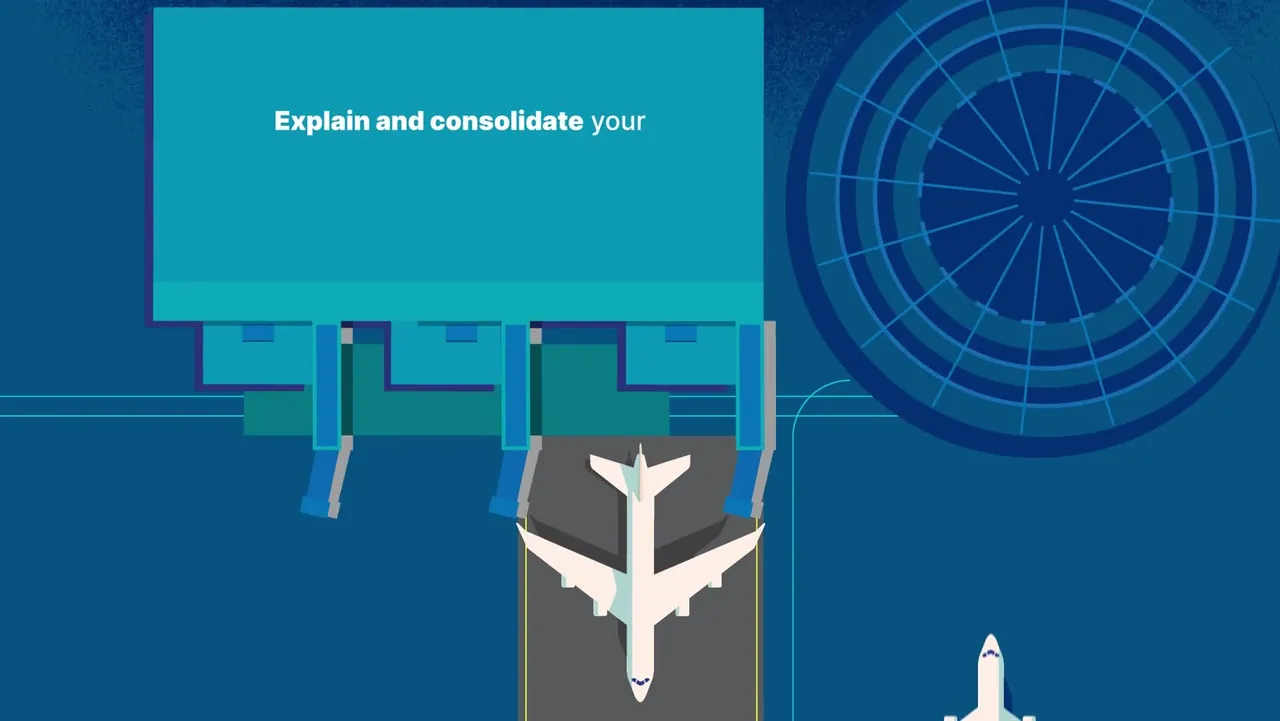
The flight gave the process a shape people could hold: preparing on the ground, taking off, choosing the route, landing. Inside that shape, every activity followed the same pattern: inputs, outputs, accountable actor. By the second or third activity, people stopped reading each step as new information and started recognising the pattern. That’s the skeleton of any procedure, and once people can see it, they can find their way through the document on their own.
It worked because the course taught the structure of the process as well as its content, so people left knowing how to read the procedure, not just what it said.